In 1997, world chess champion Garry Kasparov was beaten by IBM's Deep Blue computer. «It was a depressing day for mankind,» commented The Guardian. Twenty years later, Kasparov himself made the point: «For the first time in history, machines are threatening jobs that people do with diplomas.» Yet our education system still selects on the basis of memorization and calculation, even though any machine can perform these tasks more efficiently than man.
We are in the midst of a major transition in our evolution: the development of artificial intelligence and discoveries in genetics pose unprecedented challenges to the human species. How can we ensure that education and research adapt quickly enough in this rapidly changing world? What is the place of human beings in a world of machines? How can we use technology to develop our individual capacities and our collective intelligence?
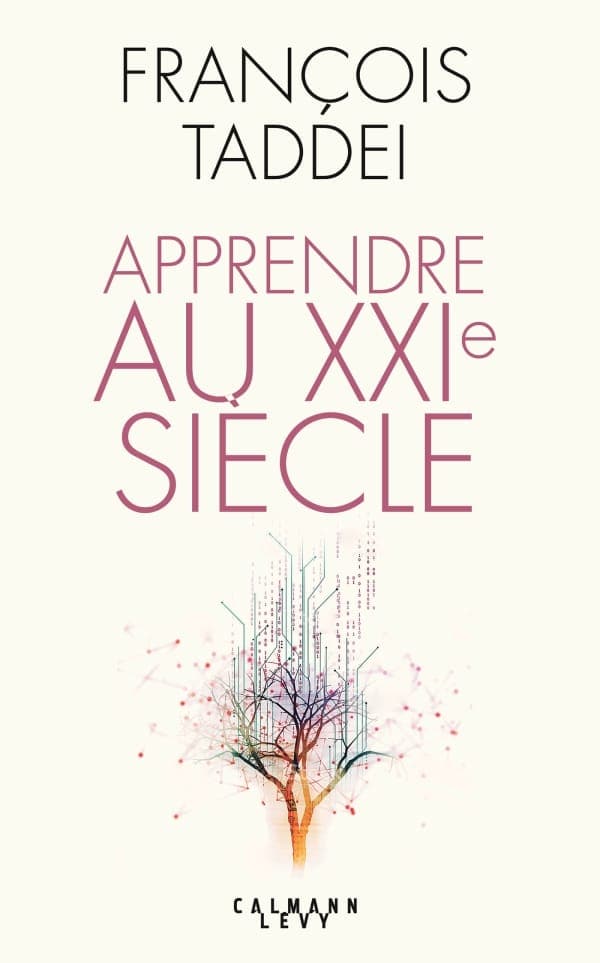
François Taddei pleads for a (r)evolution of our knowledge. He takes us through the intricacies of the brain, the best friend and sometimes worst enemy of learning. He also looks at how to learn with others, in cooperation, as all living organisms have done since the origins of life, and explores the best ways to start asking ourselves, if not the right questions, at least the right questions.