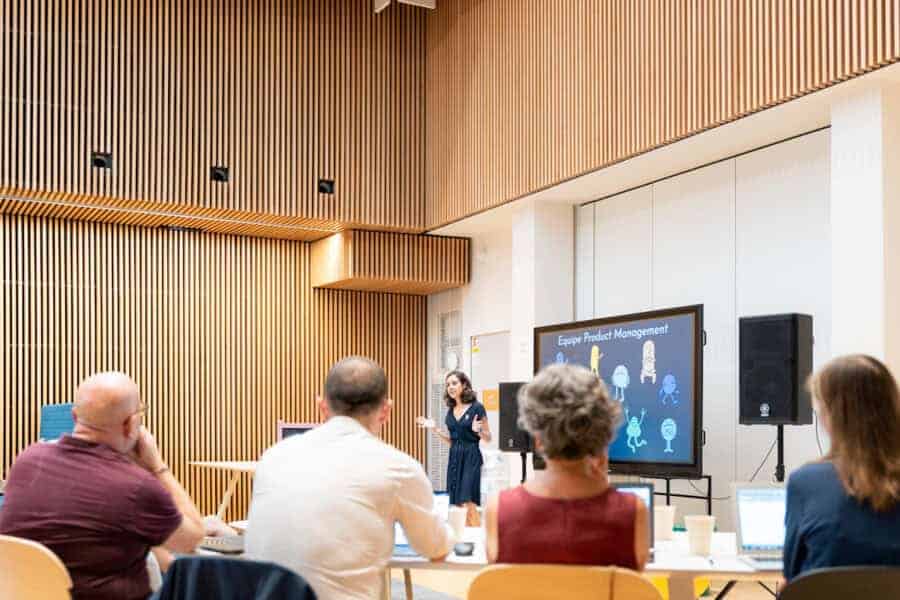
For the past two years’Challenge Institute (IDD), co-founded by the Learning Planet Institute and - led by Université Paris Cité, is committed to transforming the university in conjunction with Sustainable Development Objectives (SDGs), set by the’UN. Through the U Lab, The IDD supports Université Paris Cité teaching and research staff and doctoral students wishing to innovate or develop innovations in the field of science and society, and in particular in university-city interactions.
Winner of the call for projects U Lab 2021, Meriem Koual, trained obstetrician-gynecologist, researcher Inserm and lecturer at Université Paris Cité (UPCité), has set up training courses for medical students in environmental health. Her project was born of the following observation:
“The effects of the environment on health are a major concern. Water, air and soil pollution, and environmental hazards in general, are implicated in a wide range of pathologies, including developmental and reproductive disorders, obesity and cancer. The general population is now familiar with these problems, and many patients are asking themselves and their doctors about a possible link between their pathology and their diet, lifestyle or possible occupational exposure.
I quickly realized in my professional practice that training future doctors in these environmental risks and in environmental health was essential. was insufficient and our knowledge of the subject was limited.”
Thanks to the’IDD and Learning Planet Institute Meriem Koual was able to build a training program to overcome this problem. Meet us.
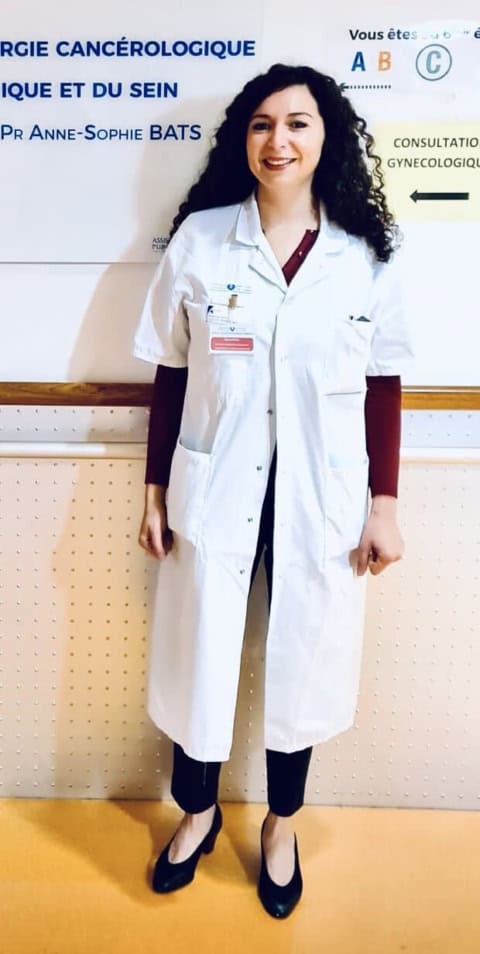
Can you introduce yourself?
My name is Meriem Koual. I am an obstetrician-gynecologist by training, specialized in gynecological and breast cancer surgery, and I hold a position as a University Hospital Practitioner (PHU) at Georges Pompidou European Hospital, APHP, Paris. Since 2014, I have been working in the Inserm laboratory, where I completed my PhD in toxicology. My work focuses on the role of persistent organic pollutants and peri-tumoral adipose tissue in breast cancer progression and metastasis acquisition. I have also been teaching at the UPCité medical school since 2020.
Why did you sign up for the U Lab course?
I was thinking about setting up training courses for medical students in environmental health when I saw the call for tenders from the’U Lab at Learning Planet Institute. The program offered comprehensive support in setting up a project related to sustainable development and the environment. I proposed a project to design environmental health video vignettes for UPCité medical students.
What do you think makes this program so special?
As a young teacher, I knew what I wanted to offer students, but I hadn't defined the exact contours of this teaching, and I needed pedagogical expertise in particular.
I benefited from exceptional support from the Learning Planet Institute teams, in terms of pedagogy, digital technology and logistics. What I appreciated most was the enthusiasm of the people who accompanied me, and the way in which the project was enriched throughout its development thanks to the ideas and, above all, the skills of everyone involved.·e.
Meeting after meeting, our discussions and exchanges have enabled us to refine the project and its modalities, and to constantly improve the content.
How did you come up with your environmental health training project?
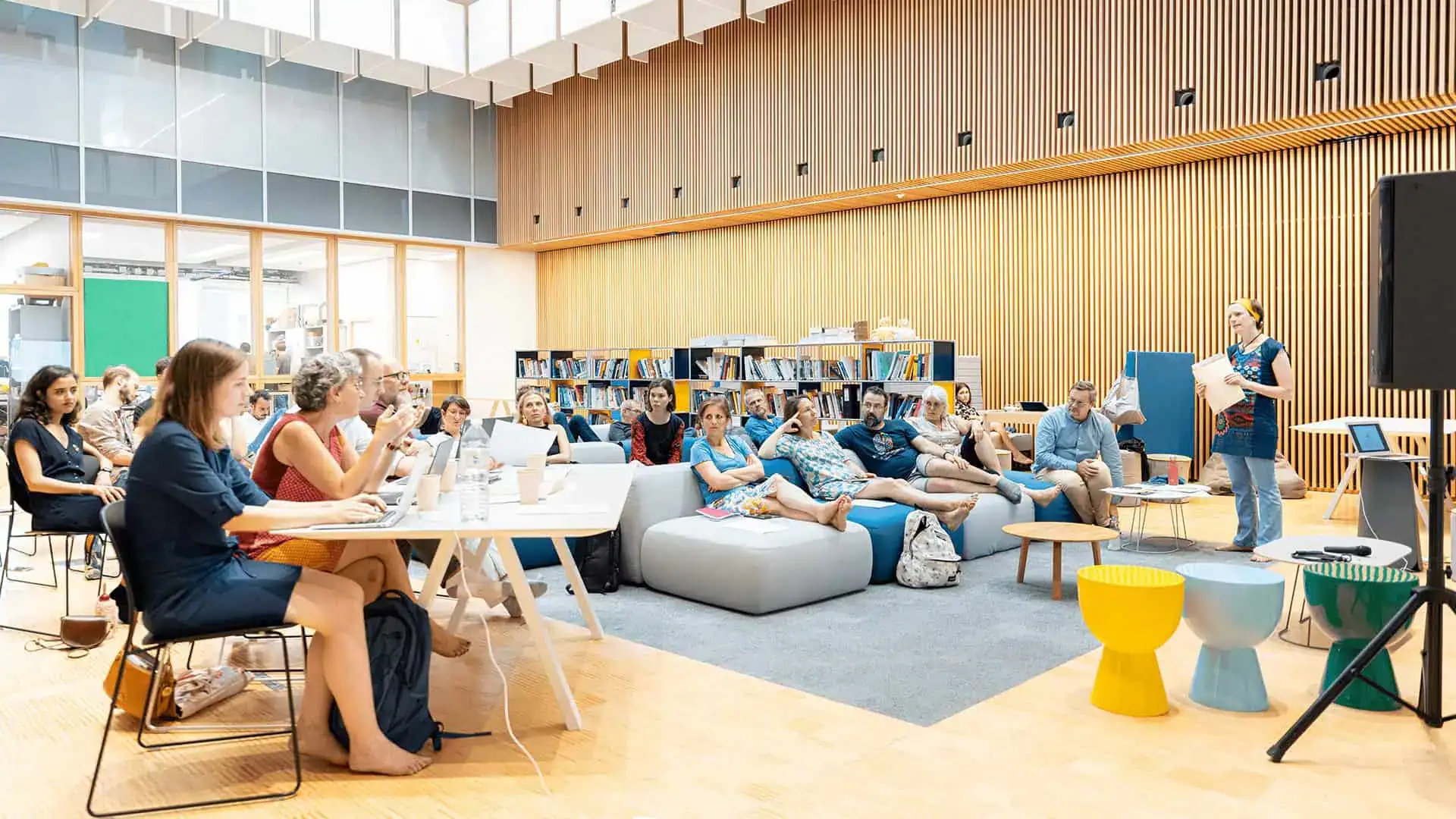
It was clear to us that we had to co-construct the program with the students. We therefore carried out a survey among the students on their knowledge of environmental health and their interest in teaching on the subject (preferred format, duration, methods, etc.). I was assisted by students from the Pôle Environnement of the student association Solid'up of the UPCité medical school who were very enthusiastic about the idea of introducing this course. The results of the survey are currently being submitted for publication by the students, who have been able to learn about the main rules of scientific publication.
We therefore defined a program of 10 15-minute video capsules, in the form of expert interviews, with the aim of delivering environmental health and prevention messages on the potential links between the environment and human health. So I toured France interviewing experts with the Learning Planet Institute MOOC team.
This course has been integrated into the existing Optional Complementary Certificate on climate change, and completes the range of environmental health training for UPCité medical students this year.
How is your training in environmental health structured?
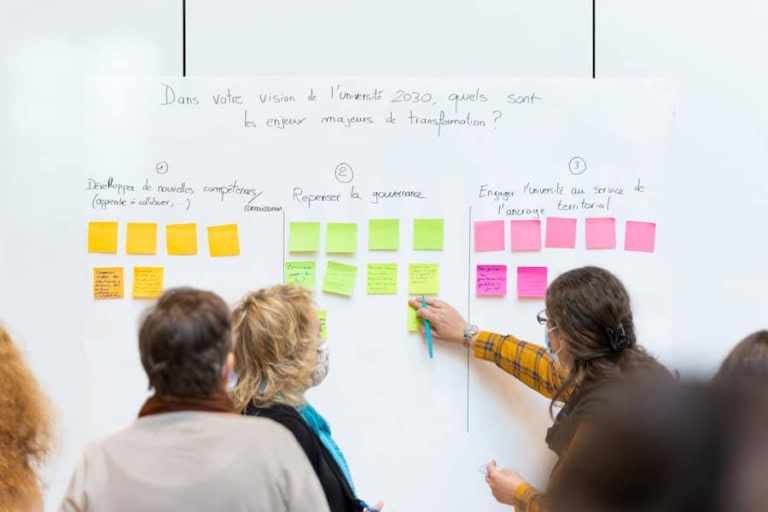
The course consists of a viewing section (with 3 quizzes to be answered before and after viewing), and 3 sessions of 2 hours of face-to-face discussions with teachers and experts on these issues. As part of the evaluation process, students will be asked to create a communication medium containing prevention messages that can be broadcast to patients!
We've also put together a free trail for anyone interested in these subjects, which will be available soon.
What has U Lab done for you personally?
Implementing this project was a fantastic opportunity and a real educational adventure.
I learned a lot from my students and from the wonderful U Lab teaching team, whom I would like to thank: Alexandra Laurent, Alex Eguiluz, Andrea Giraldo Sevilla. I also met some remarkable people from the Learning Planet Institute for the video part: Xavier Desplas and Alexis Royneau were extremely professional and helped me a lot in this exercise which was unfamiliar to me.
I was struck by the motivation and involvement of the other participants and facilitators, and by the richness of the other projects.
Thanks to this experience, I feel I have acquired undeniable teaching skills that will undoubtedly serve me well in my teaching career. I continue to be involved in other training projects for environmental health professionals at AP-HP and UPCité.
You'll soon be able to watch Meriem Koual's training videos in the MOOC “Understanding environmental health issues” on FUN MOOC!
Registration opens on May 22, 2023.
Thank you to Meriem Koual for answering our questions.
Cover photo by Quentin Chevrier
LEARN MORE
THE U LAB PROJECT
call for U Lab projects is to promote the transformation of the university by teachers, researchers and scholars, who are the bearers of high-quality innovations in line with the challenges of our time. Learning Planet Institute projects aimed at Université Paris Cité students, by supporting the teaching, research and doctoral staff of Université Paris Cité who wish to innovate or develop innovations in the field of science and society, and in particular in the interaction between the university and the city. Incubation lasts 6 months and is marked by meetings and workshops.
Proposed projects must include :
- Project-based teaching
- Training through research
- Sustainable Development Goals
- Action-research programs for sustainable, learning cities
- Participatory science projects from the student experience
- Open healthcare projects (e.g. on hospitals, caregivers, patients, researchers, e-health)
Program support
- Meetings, advice and assistance with project prototyping
- Support for educational scriptwriting
- Filming and editing for MOOCs, documentaries or podcasts in the studio
- Consulting in the development of physical and digital games
- Consulting and development of frugal solutions MakerLab at the Learning Planet Institute
- Provision of an operating budget (small equipment, training courses)
- Networking and participation with other IDD initiatives
Do you have a project you'd like to launch?
THE CHALLENGE INSTITUTE
Discover the’Challenge Institute
Read the article “A new approach to training in sustainable development and inclusion at university and beyond”