Shapes-16

R&D Unplugged #9 - discover our research

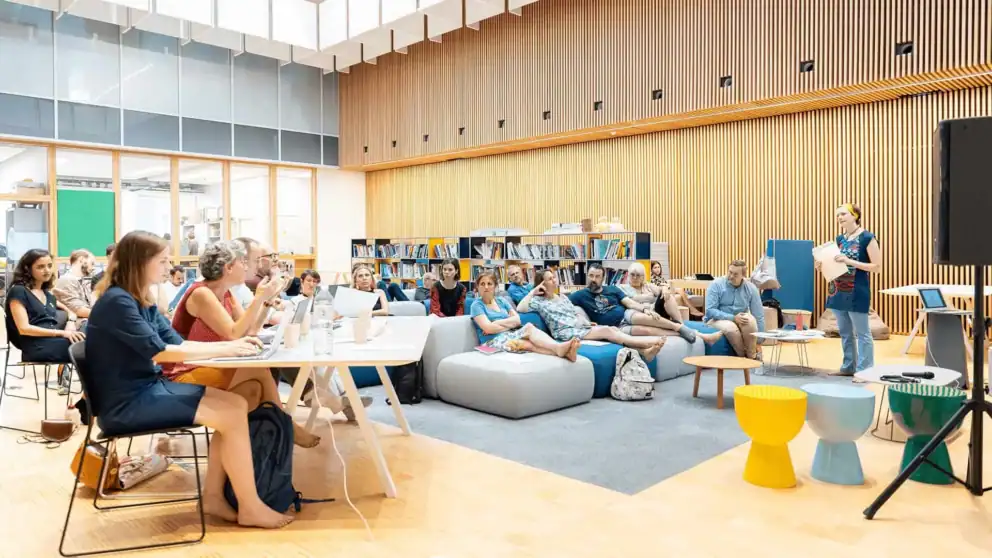
Join us for R&D Unplugged #9 with Muki Haklay

The 90-9-1 rule in citizen science and crowdsourced science

One of the most common observations about scientific crowdsourcing and citizen science is that a (very) small group of participants provides most of the data. This is the case with systems such as Google Local Guides, Wikipedia, iNaturalist or OpenStreetMap. This pattern is called inequality of participation, or the 90-9-1 rule. In this session, I'll explain why I see the 90-9-1 rule as one of the important aspects of participation in crowdsourced projects. I'll discuss the factors involved, and ask whether anything can be done to remedy the situation.

Watch the video

Listen to the podcast


More about the speaker

Muki Haklay is a team leader at LPI in the field of citizen science and a professor in the Department of Geography at UCL (London). He has been involved in crowdsourcing and citizen science projects for the past 25 years, and his research focuses on the creation and use of environmental information by the public. He is also interested in citizen science, participatory mapping and the politics of citizen science.


R&D Unplugged is organized by’Learning Transitions research unit. For more details on the R&D Unplugged format, as well as information on past and upcoming events, please visit our website.

Address:
Learning Planet Institute
8bis rue Charles V
75004 Paris
Metro access :
  • Sully-Morland (Line 7)
  • Saint-Paul (Line 1)
  • Bastille (lines 5 and 8)

Subscribe to the newsletter

Every quarter, we invite you to discover our latest news and the diversity of people and projects that make up the Learning Planet Institute!