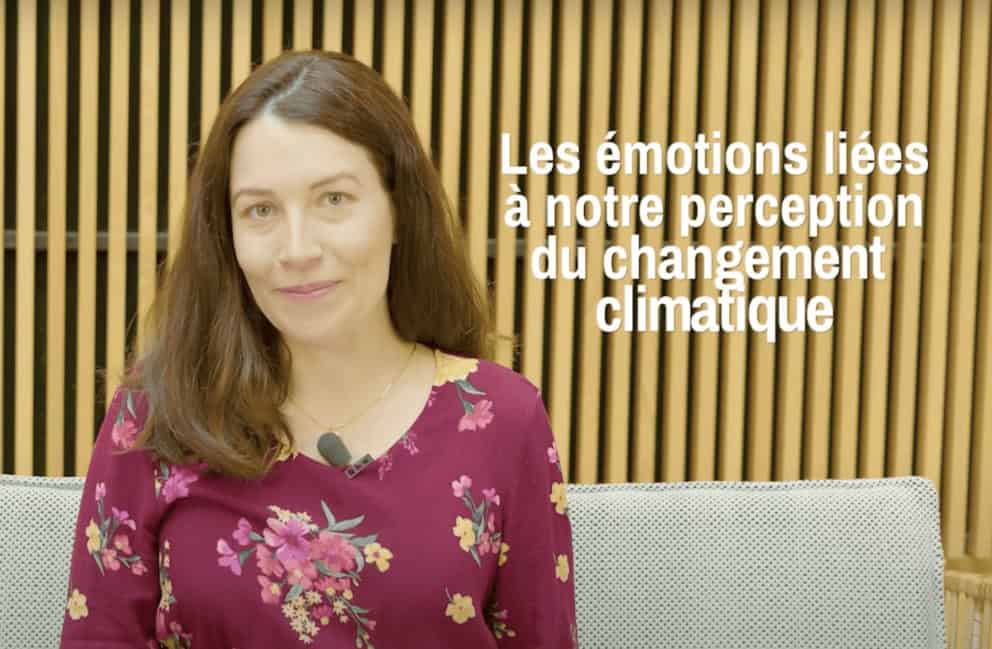
The expression« Earth Emotions», The term «eco-anxiety», which translates as «emotions of the Earth", was coined by philosopher Glenn Albresh to describe the distress he observed among Australian farmers in the face of land degradation. This is the name that Laelia Benoit, a child psychiatrist and researcher at Yale University (USA) and Inserm (France), has chosen for her research project, in which the Learning Planet Institute is a partner. " We wanted to take an interest in all climatic emotions, all the emotions of the planet.».
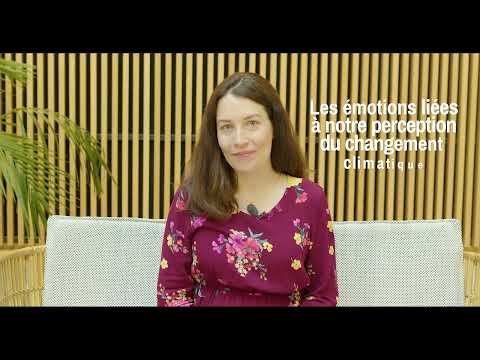
The initial results of her research project are clear: we need to talk about climate change so that children and teenagers can cope with ecological anxiety (or eco-anxiety), transform this distress into climate action, and thus promote their well-being and mental health.
Thinking of climate commitment as a systemic approach is one of the principles of the Learning Planet Institute. We are therefore convinced of the importance of the scientific approach of « Earth Emotions», The Institute became a partner in the research project.
EARTH EMOTIONS: RESEARCHING CHILDREN'S ECO-ANXIETY
« Earth Emotions», it's a two-phase research project. The first, which began in January 2021, consists of scientific research to understand the impact of climate change on teenagers' mental health and to assess their emotional needs and capacity for climate action.
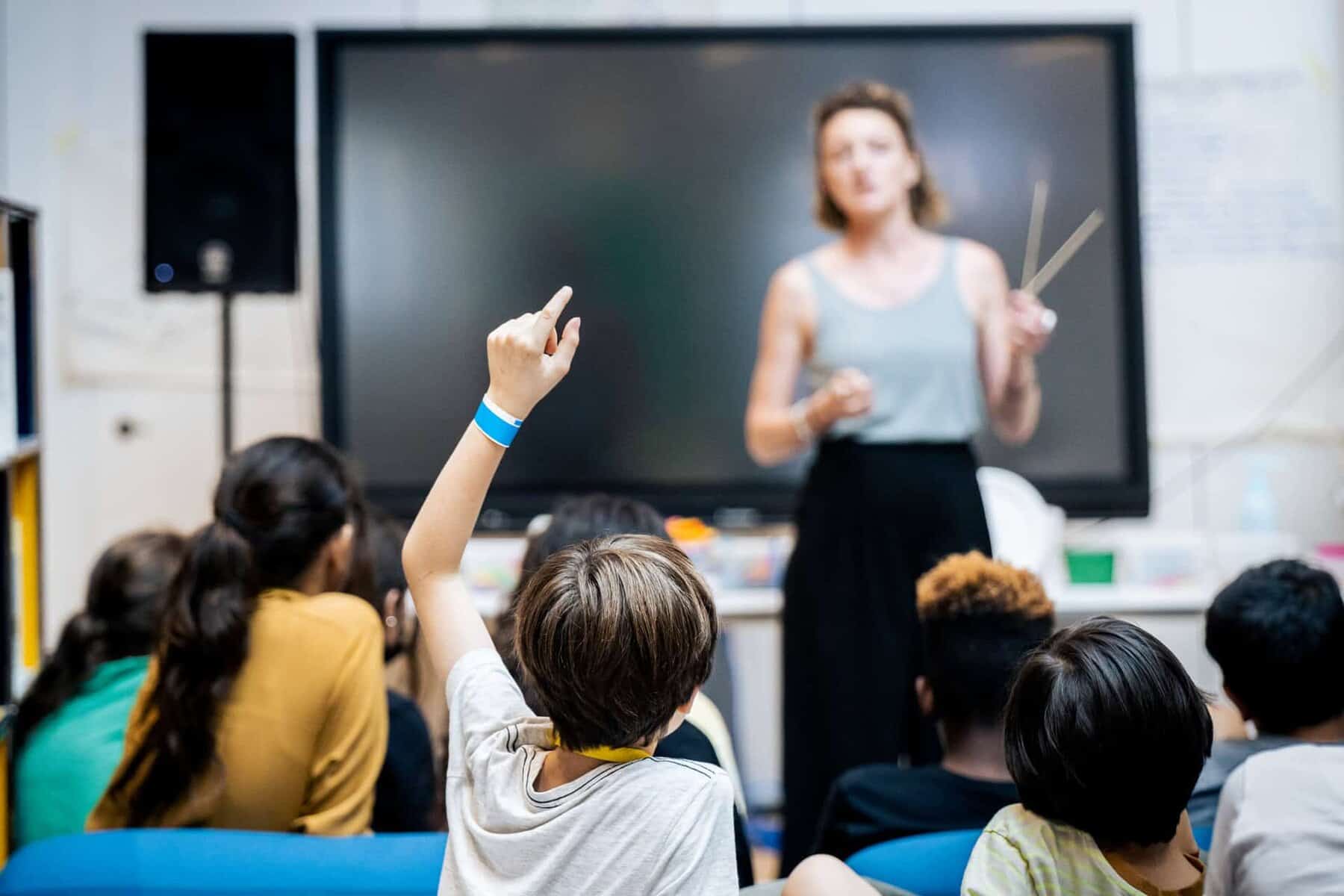
To do this, the research team went into contact with children aged 7 to 15.« When you're 7, you don't fill in extensive questionnaires on the Internet, so we had to go and meet them to find out what they thought.. says the researcher.
The studies were carried out in three different countries: France, Brazil and the USA, in order to understand the cultural and social impact on understanding and engagement with climate change. The results show that not only are these cultural and social class factors decisive, but also that collective climate activism combats eco-anxiety and is therefore beneficial to young people's mental health.
EARTH EMOTIONS VIDEOS: PROVIDING TOOLS FOR RAPID CLIMATE ACTION
« Basic research discoveries take an average of 17 years to reach the general public ». It was this observation that motivated phase 2 of the project: « Earth Emotions Videos », a six-month lightning project to rapidly publicize the first research results in the form of short videos accessible to the general public (on Youtube, TikTok and Instagram).
With the help of Amber Acquaye, a third-year medical student at Yale School of Medicine, video vignettes have been created to provide tools for talking about climate with children and teenagers, to answer the many questions the general public has on the subject, and, in-fine climate commitment.
Why is video an ideal tool for scientific communication?
- Accessibility and attractiveness
- Rapid dissemination of results
- Emotional engagement: by recounting and highlighting the positive actions of young people, they aim to mobilize positive emotions and encourage climate activism.
- Complementarity with other media: the videos complement other project communication media.« Earth Emotions», These include scientific articles, conferences and workshops. They are designed to appeal to different audiences and learning styles.
In line with its values of commitment to the climate and its desire to diversify ways of learning, the Learning Planet Institute is committed to supporting Dr Laelia Benoit's research project. Acting for the well-being of children and teenagers means acting for the planet.
FIND OUT MORE ABOUT THE «EARTH EMOTIONS» PROJECT»
Discover the Youtube channel “Earth Emotions: to eco-anxiety to eco-action” (in English)
Discover the TikTok account “Earth Emotions” (in English)
MORE INFO
Discover Bâtisseurs de Possibles, a Learning Planet Institute program created by teachers for those wishing to set up projects that get students involved.
Discover other portraits of our community members
This publication is part of the UNESCO Chair in Learning Sciences, established between UNESCO and Université Paris Cité, in partnership with the Learning Planet Institute. Views and opinions expressed are however those of the author(s) only and do not necessarily reflect those of UNESCO. UNESCO cannot be held responsible for them.