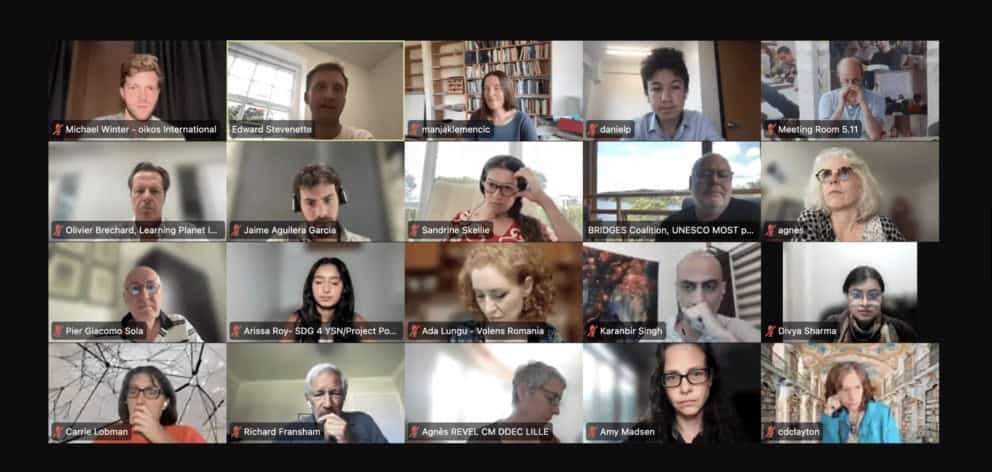
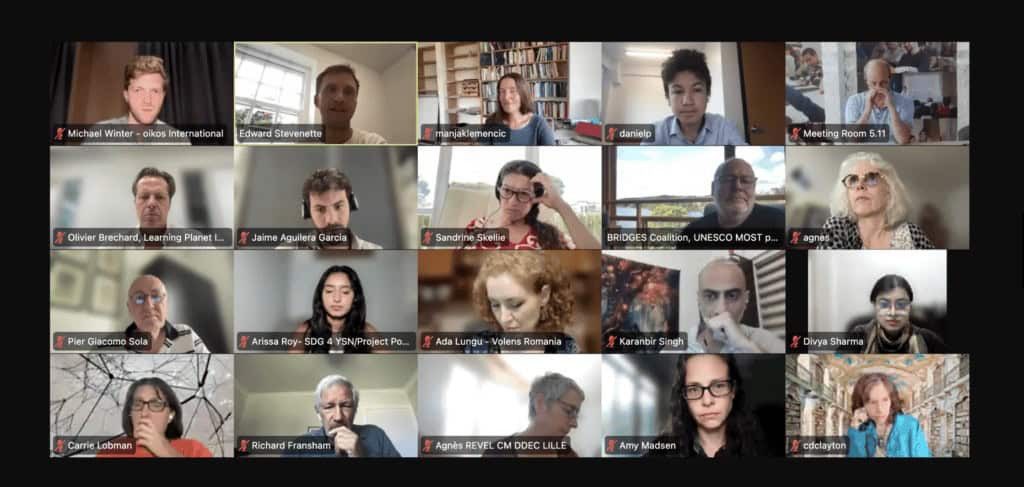
July 22, 2024, UNESCO Chair in Learning Sciences, Planet Learning Institute organized a dynamic online roundtable entitled “Co-designing the future of learning with young people” With 180 participants, this interactive session offered a platform for education leaders and young people to discuss how to shape the future of education with young people together.
Preparing the ground for co-design
We were honored to welcome a large panel of educational leaders, including Manja Klemencic - Associate Professor of Sociology and General Education, Harvard University and publisher of Bloomsbury Handbook of Student Politics and Representation in Higher Education -, Michael Winter - Co-President of’oikos International, Arissa Roy - Co-Chair of Healthy and Safe Spaces, Schools & Self, UNESCO SDG 4 Youth and Self, UNESCO SDG 4 Youth. Self, UNESCO SDG 4 Youth and Students Network, the finalists Learning Planet Youth Design Challenge, Edward Stevenette - team member LearningPlanet Alliance at the Learning Planet Institute - and François Taddei - founder and president of’Learning Planet Institute and Unesco Chair in Learning Sciences.
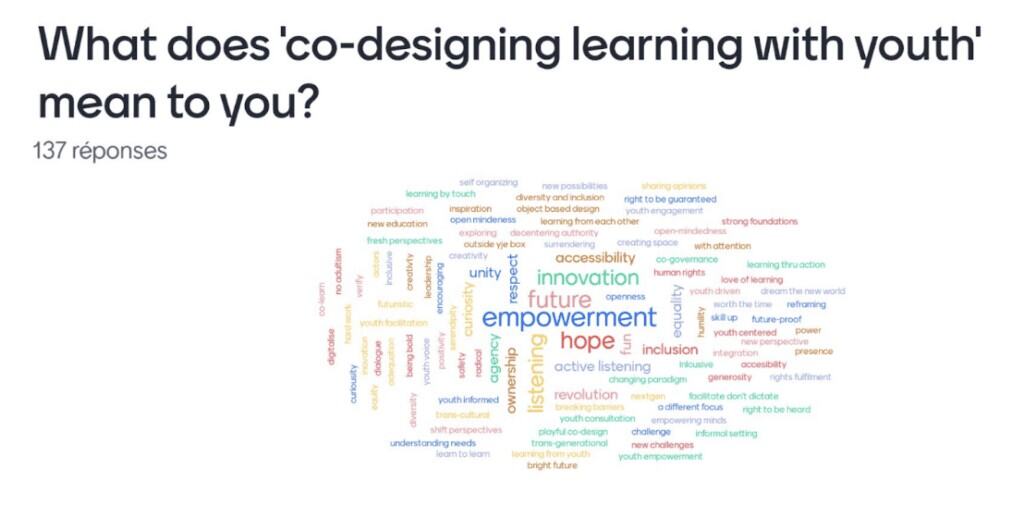
Participants began by sharing their thoughts on what co-designing learning with young people means to them, resulting in a word cloud that highlighted key themes such as ’learning together", "learning together" and "learning together".’empowerment, l’innovation and theinclusion.
The session then focused on three main themes through a series of case studies: the governance, the curriculum design and the advocacy:
Governance: Empowering student leaders
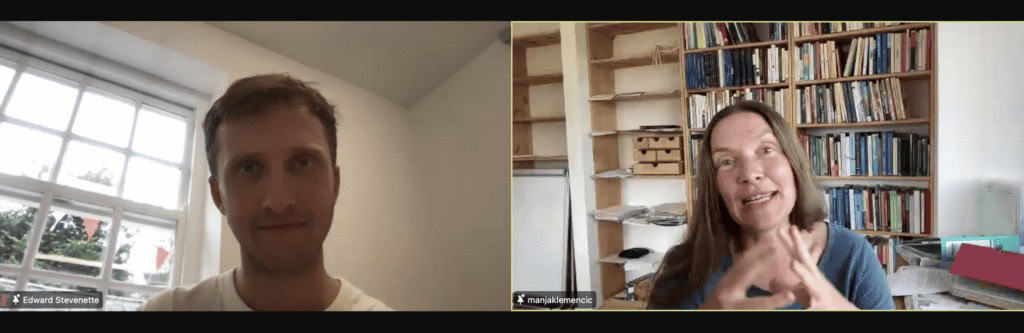
Manja Klemenčič, associate lecturer in sociology and general education at Harvard University and editor of the Bloomsbury Handbook of Student Politics and Representation in Higher Education, stressed the importance of empowering student leaders:
Co-designing with students means empowering student leaders. It means breaking down the barriers between academics, researchers and practitioners of student representation and governance. It affirmed that student leaders possess valuable knowledge and experience that can inform and educate us, creating a powerful learning community.
Download the free Bloomsbury manual
Program: Minimalism and commitment
Michael Winter, co-president of Oikos International, spoke passionately about the need for a minimalist approach to curriculum design:
Co-designing the future of learning requires more than working on details. We need to open up spaces, become curriculum minimalists and find room for the arts and projects. Educators need to get out of their desks, see students and actively engage with them.
See Michael Winter's presentation here
François Taddei, founder and president of the Learning Planet Institute, shared a long-term perspective on co-design:
We started 20 years ago with a few students and have doubled in size several times over the last 20 years. Co-designing physical spaces, learning environments, curricula and degrees with the student perspective in mind has been essential. Our approach is to listen to the setting and evolve it with student input to maximize student and project fulfillment.
Advocacy: Harnessing the power of storytelling
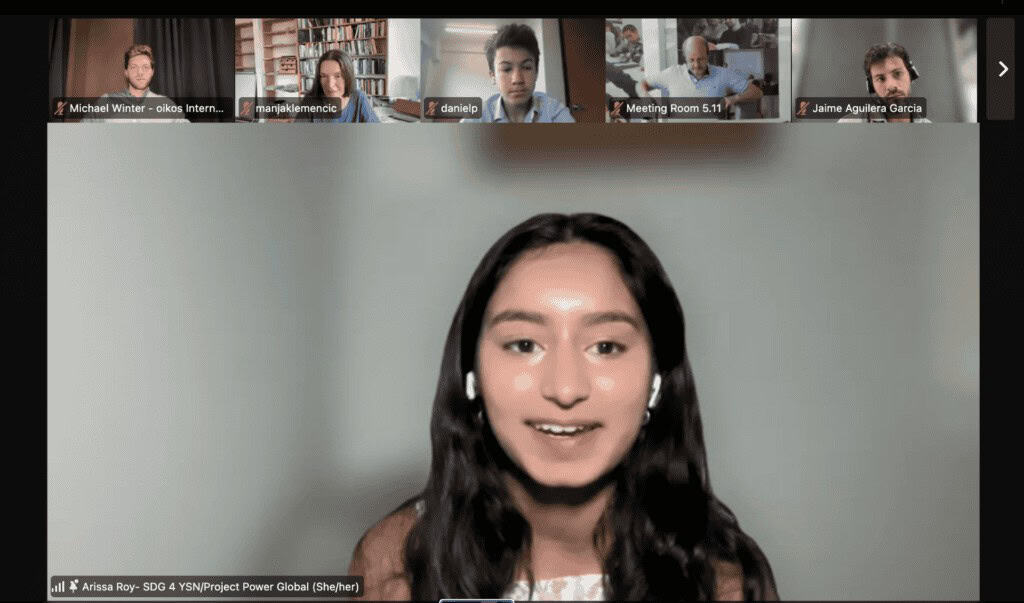
Arissa Roy, co-chair of Healthy and Safe Spaces, Schools & Self, UNESCO SDG 4 Youth and Students Network, stressed that storytelling was a crucial tool in co-design:
Having participated in the creation of the UN Youth Declaration as a young person, I believe that storytelling is essential. According to Stanford University, stories are remembered up to 22 times more than facts alone. Sharing our stories is vital to education advocacy.
Next steps
At the end of this session, we remain committed to removing barriers to access to education, and to exploring opportunities for greater youth participation in international educational decision-making.
The Educational Planet Institute and its community will continue to provide young people with the tools and support they need to turn their innovative ideas into effective solutions. With dedicated mentors and a strong framework, we are committed to fostering the growth of young people's ideas for education.
1. Continue case studies
We need to continue exploring case studies to effectively codify learning with young people, and we need to hear directly from students. We invite educational institutions, policy-makers and international organizations to join us on this journey. By truly engaging with young people, listening to them and designing with them, we can transform the educational landscape to make it more inclusive and responsive to local and global challenges.
2. Take part in Educational Planet's youth design challenge
In September, we will be launching the second edition of the Learning Planet Youth Design Challenge, on the occasion of United Nations General Assembly Summit for the Future in New York. This annual global challenge encourages students aged 15 to 26 to propose learning programs for thriving, engaged and sustainable universities of the future.
Daniel Persky, 14 years old, United States, a finalist in the Youth Design Challenge, shared his views:
It's very important to give young people the knowledge and tools they need to contribute to our future. That's part of what I'm trying to do with my own project as part of the University Design Challenge.
Pearl Perumal, 26, South Africa, winner of the first youth design competition, added: “The youth design competition is transformative:
The Youth Design Challenge is transformative. It offers young people a space and a platform to develop self-awareness, planetary awareness and sustainable projects that address current and future generations.
For more information on how to take part in the adventure: visit our website Learning Planet Youth Design Challenge
Find out more about our activities and community, subscribe to the Learning Planet Institute newsletter and/or follow us on our social media(LinkedIn, Instagram, Facebook, X and YouTube).
This publication is part of the UNESCO Chair in Learning Sciences, established between UNESCO and Université Paris Cité, in partnership with the Learning Planet Institute. The ideas and opinions expressed in this publication are those of the authors. They do not necessarily represent the views of UNESCO and do not commit the Organization.