Covid-19 has weakened the already precarious situation of millions of children around the world. It is an opportunity to reaffirm, everywhere, their rights to health, well-being and education, and to support their participation in the decision-making processes that affect them.
«What future for the world's children? The Lancet commission report by WHO and Unicef, published in February 2020, explains how the health of young people everywhere on the planet is at risk from pollution, climate change and chronic diseases linked to stress, addictions and overconsumption.
Although this study was published before Covid-19, everything points to the fact that the current pandemic has aggravated, and will continue to aggravate, the threats to the rights of the very young.
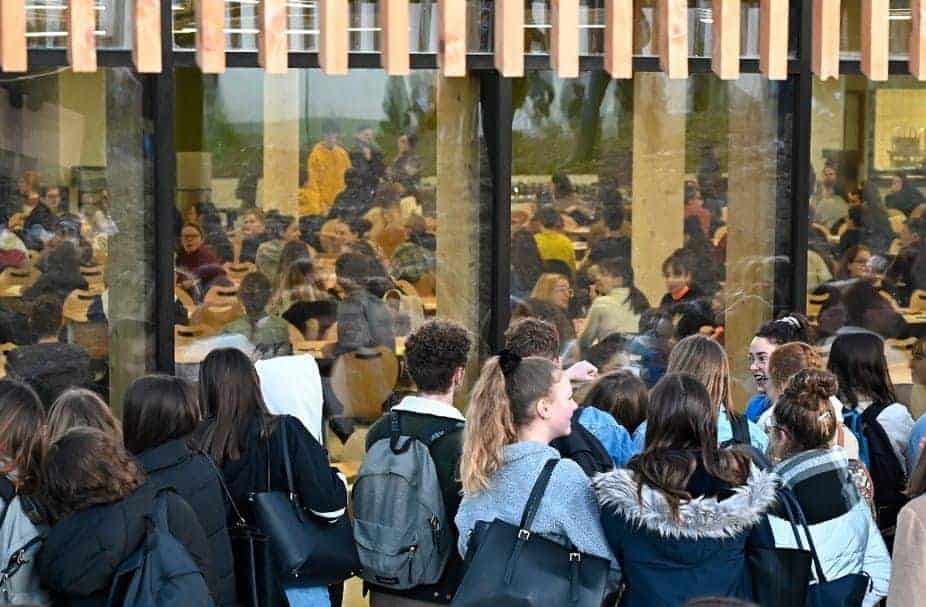
Every four years, the international Health Behaviour in School-aged Children (HBSC) survey, carried out in 44 countries or regions in Europe and Canada, publishes its results. results on the «health behaviors and well-being of 11, 13 and 15-year-old students». The 2018 data reveals that, while children and teenagers are doing well overall and acknowledge it, they are increasingly suffering from school anxiety. What's more, digital use, particularly of social networks, tends to jeopardize their well-being and sociability.
Moreover, adds this benchmark survey, «a growing number of teenagers are reporting problems that affect their mental health» - feelings of depression, sleep disorders - social and gender inequalities persist, and «many aspects of health and well-being deteriorate with age». An aspect reinforced by a other study, published on September 4, 2020 by the Direction de la recherche, des études, de l'évaluation et des statistiques (Drees), which highlights the deterioration in mental health among 13 % of ninth-graders in France.
As in the HBSC survey, this is more true of girls than boys. Note, however, the declarative dimension of the survey, which may suggest that it is more difficult for boys than girls to express their feelings, which is also a problem.
When the City Flooded, We Still Showed Up: The Story of the Planetism Learning Festival-Nairobi
30 March 2026