Based on an interdisciplinary approach to the life sciences, the Frontières du Vivant“ (FdV) bachelor's degree, program’Paris University City housed at the Learning Planet Institute, has trained over 300 students since its creation in 2011, and given birth to just as many projects.
The importance of group work, learning through research and by peers, the availability of the teaching staff and lecturers, collective feedback and access to original infrastructures have made the Licence a university course with innovative teaching methods. Students have acquired a solid foundation of scientific knowledge, but above all they have developed a taste for reflection and innovation, giving them a high degree of autonomy in their ability to learn and adapt, a guarantee of success in the pursuit of their studies and/or professional integration.
After 13 years and 11 graduating classes, the FdV experimental training program came to an end in July 2024. Director of Studies Mahendra Mariadassou looks back on this unique collective experience with pride, emotion and a touch of humor.
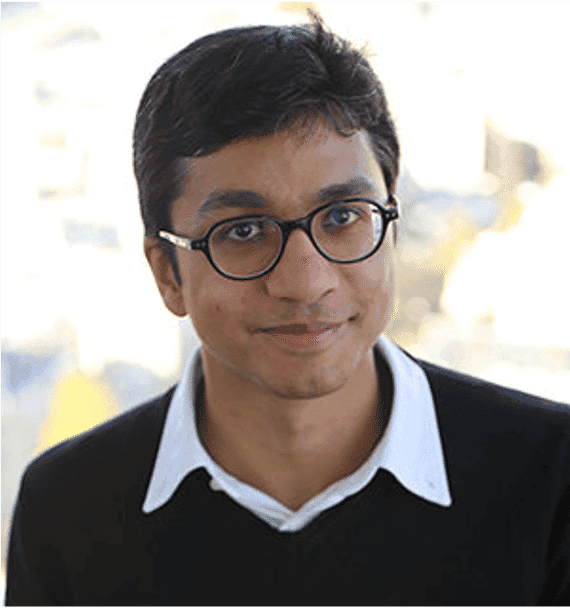
Hello Mahendra, would you like to introduce yourself?
My name is Mahendra Mariadassou. After training and a thesis in applied mathematics, in 2010 I became a researcher in the’MaIAGE unit, a research laboratory in applied mathematics and computer science at INRAE's Jouy-de-Josas center. My research focuses on the development of methods for analyzing and understanding data from microbiology, in particular the microbes responsible for food fermentation (wine, cheese, etc.). My focus on data does not, to my great misfortune, allow me to taste unused samples, unlike some of my colleagues!
Seductive pedagogical freedom
What is your background and role in the Frontières du Vivant degree program?
Alongside my job as a researcher, I've been involved in the License since its creation in September 2011. I'm an alumnus of the Master in Interdisciplinary Approaches to Research and Teaching (formerly AIV), and the idea of taking part in an Institut training course appealed to me immediately. I was contacted in 2010, when the model was being built, by Livio Riboli-Sasco (a fellow AIV student) to teach and coordinate the first-year mathematics courses, which I did for the duration of the Licence. From 2014 onwards, I began to get involved in more than just teaching, taking part in various events (selection of future classes, course presentation fair, JPO, etc.). Finally, at the beginning of 2017, Patricia Busca and Antoine Taly (at the time, respectively directors of studies for L1 and L2/3) invited me to join them by becoming director of studies for L3, with the dual aim of relaunching the international semester and relieving Antoine of responsibility for L3.
Why did you decide to take on these challenges?
Many different reasons! Livio's proposal to integrate an interdisciplinary training program with a great deal of pedagogical freedom to teach a little differently appealed to me. And the idea of giving back to the Learning Planet Institute (ex-CRI) community what it had offered me at the time of AIV (even though technically the Institute didn't yet exist and we held our Master's meetings in the ENS cafeteria) to “repay my debt” was also very appealing. As far as the position of director was concerned, I was motivated by the dual desire to extend contact with students beyond the first year, and the challenge of working with colleagues to devise a coherent program for an entire semester (the famous international semester).
A unique playground for apprentice researchers
What did the Institute offer students that they couldn't find elsewhere?
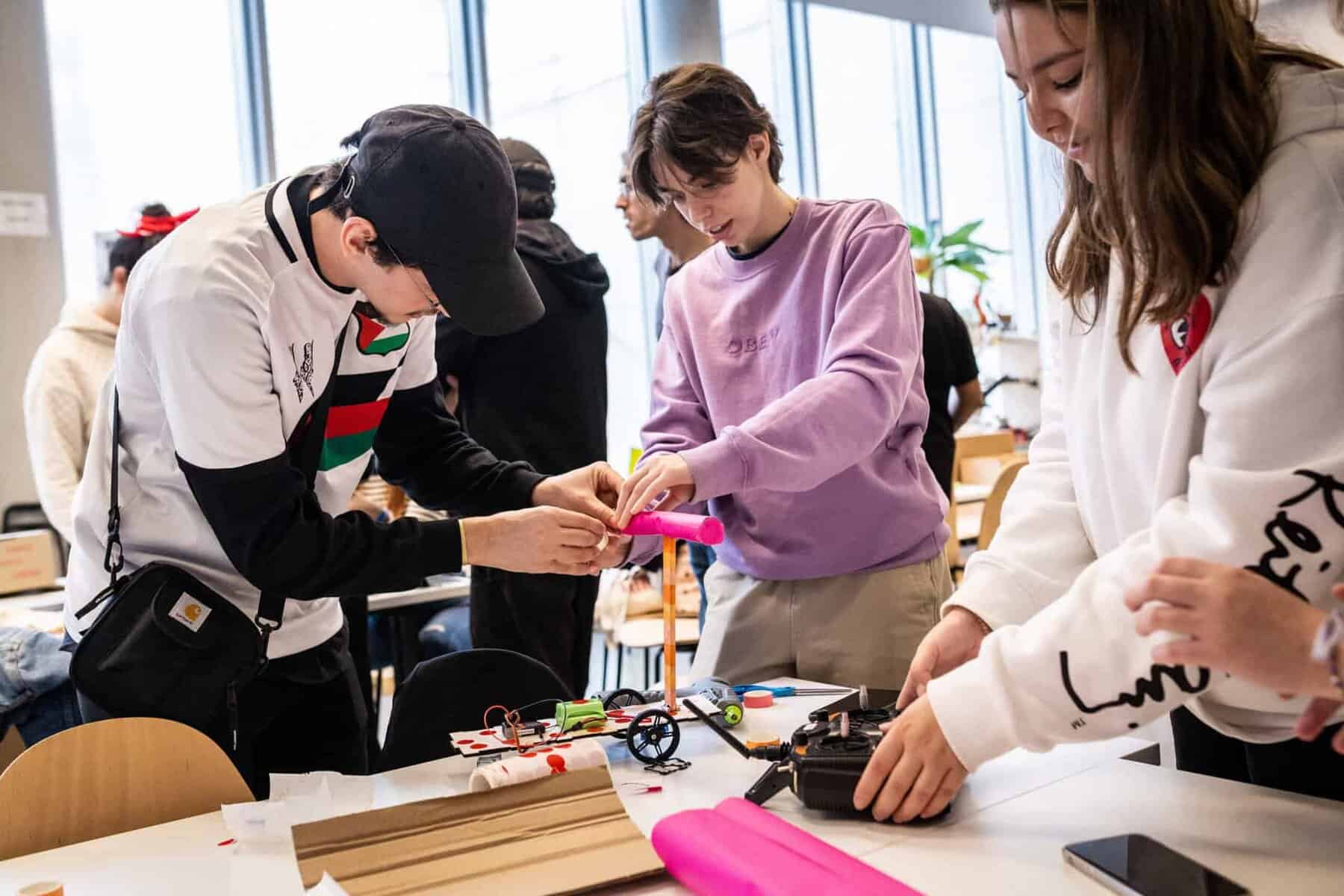
A vast question, the answer to which varies over time. The first few years offered students a formidable playground, unique at the time, with strong specific features: interdisciplinary teaching with a strong emphasis on projects and group work, innovative teaching methods (flipped classroom, peer learning, etc.), an available teaching team and teachers, regular exchanges (collective feedback) on teaching to help it evolve, access to original infrastructures for a university curriculum (MakerLab), atypical teaching environment (Montparnasse Tower, Charles V campus). All these particularities have helped to create close-knit groups among the students, with many shared memories and experiences, which are still visible today when they get together (as we saw at the Goodbye Licence!). More recent promotions have benefited from the same support and the same conditions, but with more mature lessons, having already benefited from several years of feedback and improvements.
What changes have you seen over the years?
The Licence of 2024 (the one that's now closing its doors) has evolved considerably from that of 2011. We have amended and modified the model several times, with two major underlying trends. Firstly, to enable students to play an active role in their own training path, by increasing the number of opportunities to validate credits for non-academic activities (via free UEs) and to valorize their extra-academic experience (internships, summer schools, community involvement, etc.) via a diploma supplement, while maintaining a core of scientific teaching. And secondly, to refocus part of the curriculum on Sustainable development goals (ODD) to meet students' aspirations and, more broadly, societal demands. This refocusing mainly takes the form of student projects, enabling students to explore the themes that interest them most.
More than 300 students with sharp critical minds
What impact do you think the Bachelor's degree has had on the professional and personal careers of the students who have studied there?
The unique organization of the Bachelor's program, with two generalist years followed by a third year of specialization, enables students to gradually define their own interests, and is a real plus when applying for a Master's degree. Alumni also report greater international exposure (thanks to internships and exchange semesters), greater autonomy, a more developed critical mind and better communication skills (thanks to projects and group work) than their Master's peers.
In quantitative terms, do you have any key figures to share with us?
Students and colleagues give me a reputation as a numbers man, but I had to dive into my Excel spreadsheets to answer! The Bachelor's degree has trained over 300 students since 2011 (including ⅔ women, 18% scholarship holders and 8% internationals), who have created over 300 projects on the Projects platform (used systematically from 2017 onwards) and who went on to do a Master's degree at 90% (the remaining 10% being essentially reorientations during the Bachelor's degree). In the longer term, our graduates are preparing or have defended 26 theses (including 5 in the’FIRE doctoral school), even if it's difficult to be exhaustive. But the Licence is also 144 teachers, including 45% women, who have succeeded one another in front of the 11 classes, and 600 files to be evaluated to select the class in 2019. Finally, on a more personal note, it's 186 letters of recommendation written as a director!
Unforgettable shared memories
Do you remember any specific projects you've worked on together?
The transition of the Licence to Parcoursup in 2019. We had to change all our recruitment processes in record time to cope with the multiplication of applications (600 compared to 200 in previous years) and the very tight schedule (3 weeks for file review, interviews and final ranking feedback). It was a high-flying exercise, without a net and with a few acrobatic figures, but it went well for both our teachers and our candidates. And the experience acquired this year has enabled us to tackle the same exercise much more serenely in subsequent years.
Do you have an anecdote to share with us?
The move from the old rue Charles V campus to the Tour Montparnasse took place during the academic year. I gave the first post-move class to L1 students on a Monday morning at 9am. Discovering the premises and arriving in the 20th floor classroom, with its sublime view over Paris and the rooftops of the Left Bank, was the ultimate test of my capacity for self-sacrifice as a teacher. I took it in my stride and pretended I wasn't, but like the overexcited students in the room, I had only one desire: to succumb to curiosity and wander around the floor to admire the view from every angle (which I ended up doing with her and her, after having cut my class short!).
Was there a particular event that stood out for you?
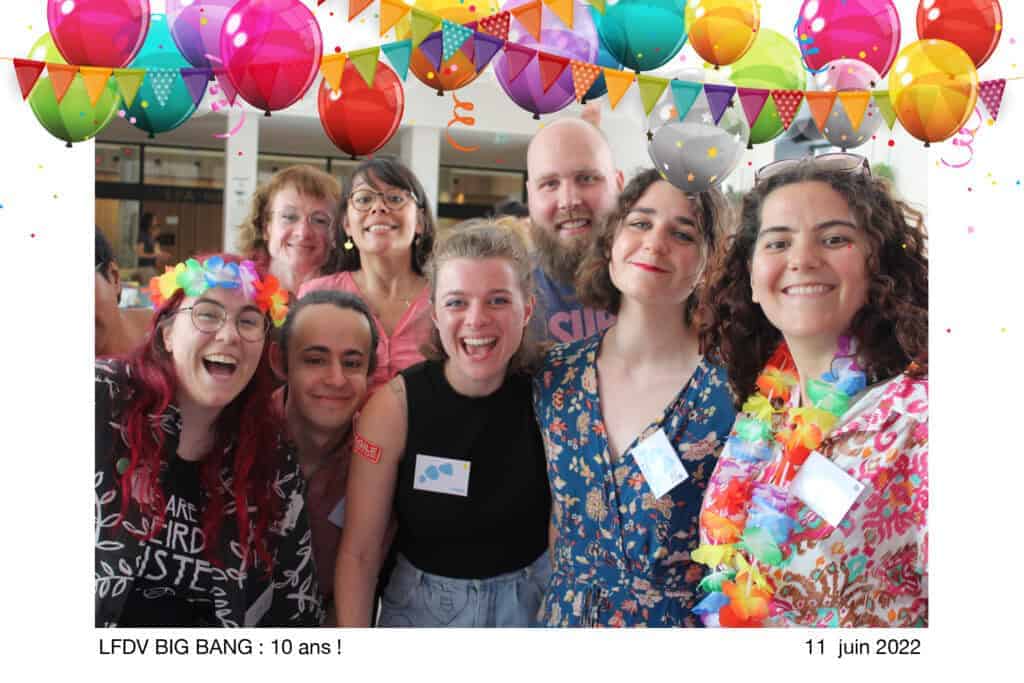
I really enjoyed the two events, which allowed me to mix different promotions and see old friends again: LFDV Big Bang in June 2022, organized by Clément Caporal, for the 10th anniversary of the Licence and Goodbye Licence! (with a generous contribution from the Institute's communications team, thanks com!) in July 2024 to mark the end of the training course. I was very pleased to see so many people present at this last event, despite the late organization and invitations. It was also an opportunity for me to step out of my comfort zone and talk about my memories of the License on camera. [editor's note: see video at bottom of article]. and to take my revenge on said com by showering them with champagne! But my main memories of the evening are of smiling faces, warm exchanges and people who were happy to be there and to have passed through the Licence.
A rewarding collective experience
What have you enjoyed most over the years?
Without hesitation, contact with students and colleagues: teachers, coordinators and employees of the Institute. The collective conception of the international semester around quantitative biology prepared and launched with Virginie Chomier, pedagogical coordinator, at the start of the 2019 academic year (and unfortunately killed after its first iteration by the pandemic and traffic restrictions) was a very rich experience. In the same way, interacting with students and seeing them evolve over the three years of training, giving advice to those who ask for it and seeing that we have had a positive impact on the trajectory of certain students will remain one of my greatest sources of satisfaction in the Licence.
Would you like to add anything to close this interview?
Yes, I've outlined my vision and role over the last few years, but the Licence would not have existed without a large number of players, not least students and teachers. Similarly, the Learning Planet Institute ecosystem has both enabled the Licence to exist and provided it with golden pedagogical opportunities (projects with research fellows). Becoming director has reinforced my appreciation of the work of my co-directors (Antoine Taly, Vincent Dahirel, Patricia Busca, Jean-Christophe Thalabard) and the various coordinators (Emilia Koulinska, Typhaine Moisan, David Jung, Emma Raharilantosoa, Naëma Boudour, Solène Diamanti) who have left for other horizons. And, of course, I must mention Virginie Chomier, with whom I've had the good fortune and pleasure of working over the years, and whom I'd like to thank most warmly for bringing the Licence to a close with me.
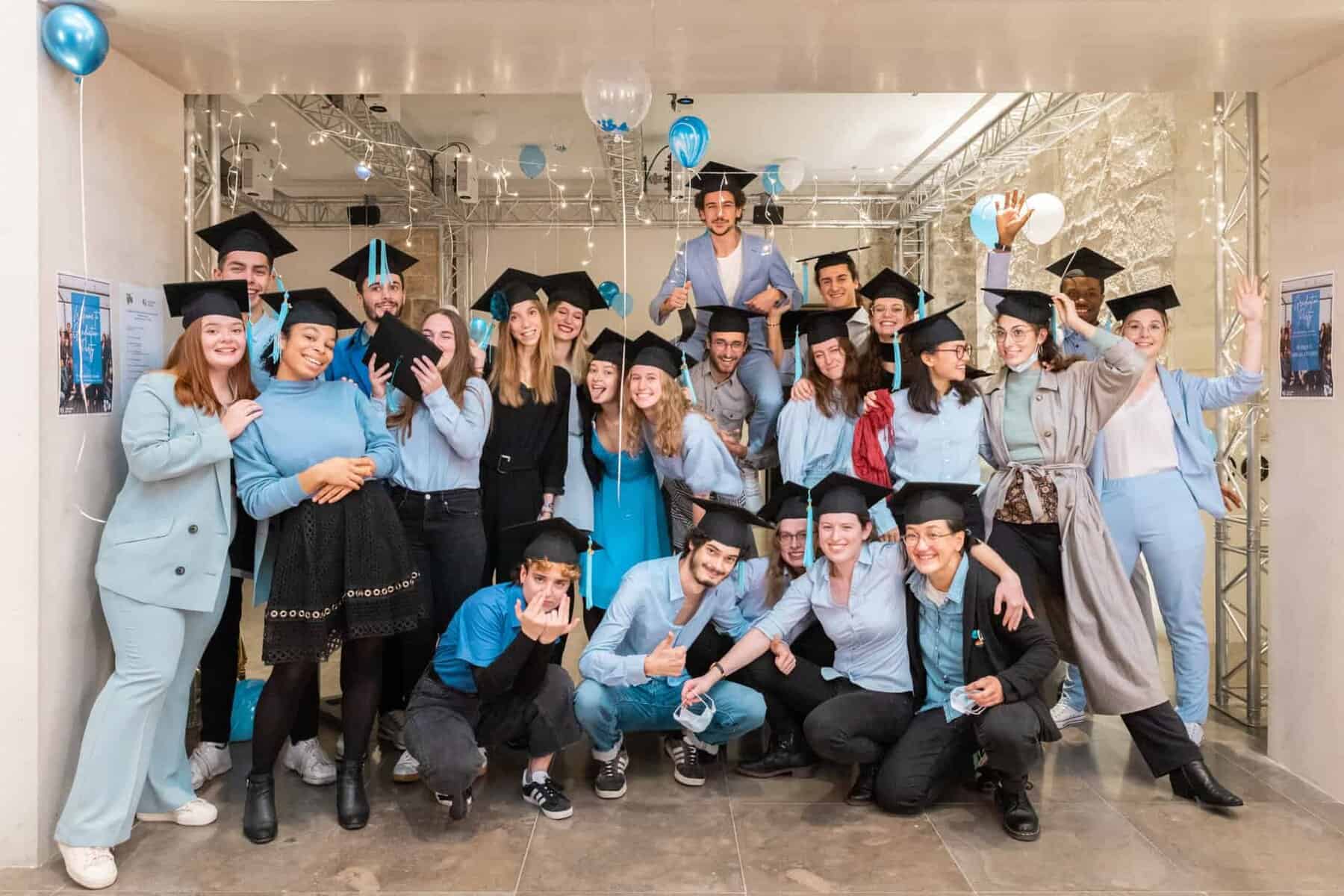
Focus on the event Goodbye Licence!
On July 9, 2024, students, teachers, staff and alumni gathered on the Institut campus to celebrate the end of the program at the following event Goodbye Licence!. It's an opportunity for everyone to get together for a festive moment, but also to go in front of the camera and recount their most memorable moments!