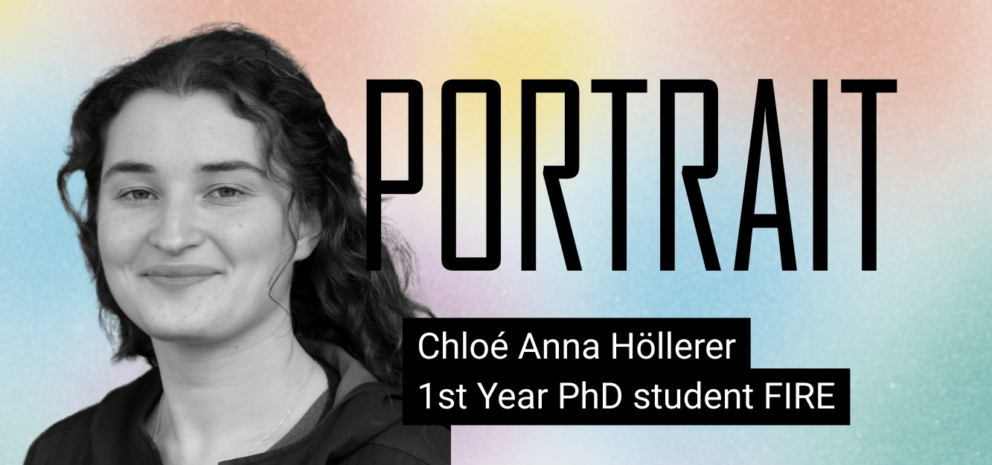
I'm Chloé. I grew up in Berlin and moved to Paris after high school to enroll in a BCPST preparatory class for the Grandes Écoles. I then continued my studies in Rennes, where I obtained an engineering degree in agronomy alongside a Master's in Molecular and Cellular Biology. During this period, I had the opportunity to complete several international internships, notably in Italy and Chile, where I discovered marine microbiology, a field that quickly became my main research interest. After working for a year as an engineer, I joined the FIRE doctoral school to pursue a PhD in the same laboratory, focusing on marine microbial ecosystems.
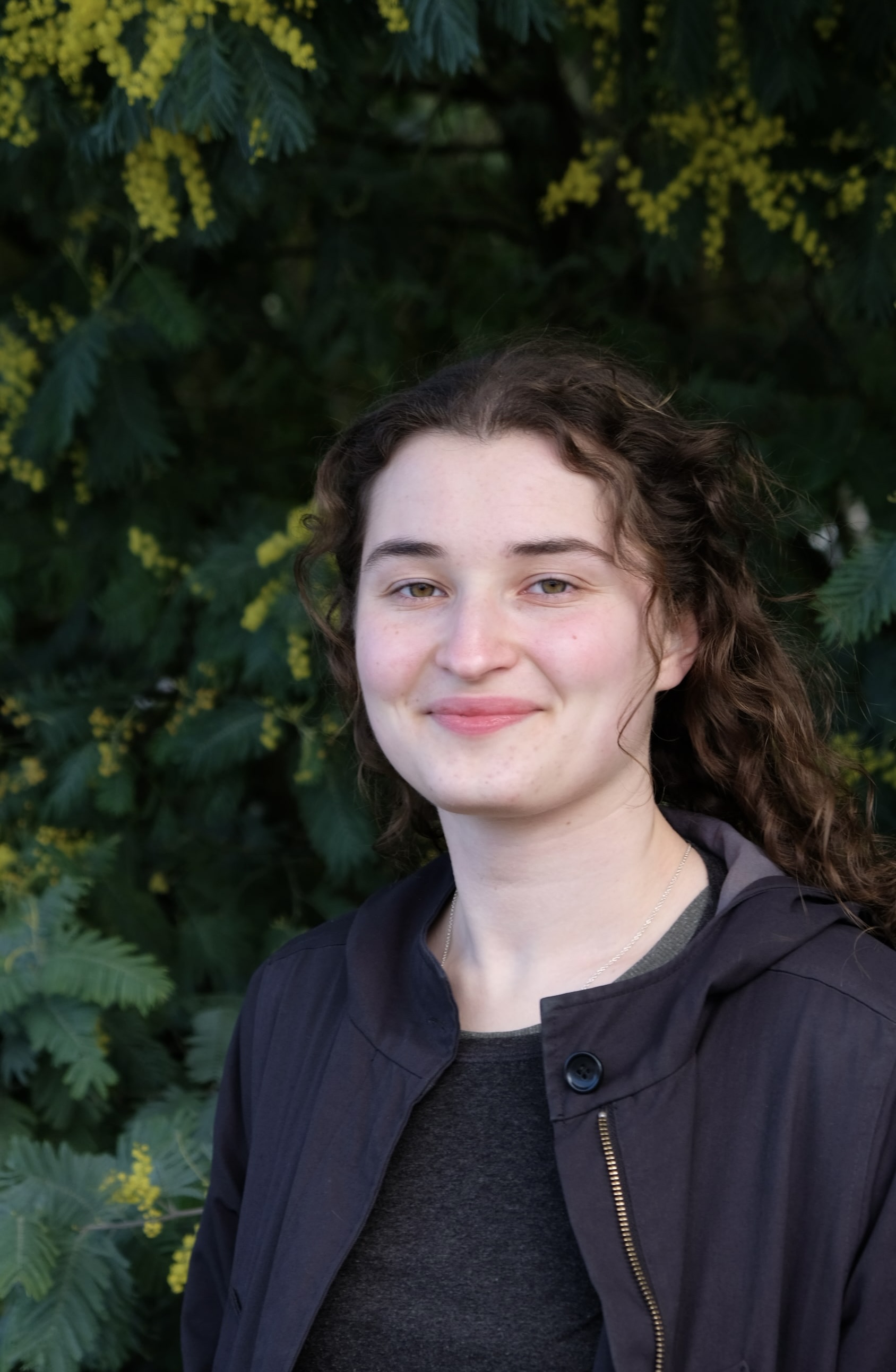
Chloé Anna HÖLLERER
1st Year PhD student FIRE
Lab 1: Phytogenomics, Institut de Biologie de l'École Normale Supérieure - IBENS, École Normale Sup
Lab 2: Quantitative Ocean Biogeochemistry, Dept. of Earth, Ocean and Ecological Sciences, University of Liverpool
Background: Diplôme d'Ingénieur Agronome (Agronomic Engineering degree) - specialization BMC at Institut Agro - Campus Rennes; Master M2 in Molecular and Cellular Biology, co-accredited by Institut Agro Campus Rennes and Université de Rennes 1
Can you explain your PhD thesis to a non-specialist audience?
My PhD project, “Iron and Manganese Co-Limitation in the Southern Ocean: Molecular and Community Level Responses of Antarctic Phytoplankton across Environmental Gradients”.”, focuses on the Southern Ocean surrounding Antarctica, which plays a major role in regulating Earth's climate by absorbing large amounts of CO₂ from the atmosphere. A key driver of this process is phytoplankton, microscopic algae that use sunlight and nutrients to grow and form the base of marine food webs. Despite being abundant in macronutrients like nitrogen and phosphorus, the Southern Ocean is a low-biomass region, meaning phytoplankton growth is relatively limited. One important reason is the scarcity of certain trace metals, particularly iron (Fe) and manganese (Mn), which phytoplankton need in very small amounts to carry out essential biological processes.
Iron limitation in the Southern Ocean has been well documented over the past decades. However, we are increasingly discovering that manganese may also limit phytoplankton growth at the same time. This simultaneous “co-limitation” could have important consequences for phytoplankton communities and ocean productivity.
My PhD addresses exactly this question: how do Antarctic phytoplankton respond, at the molecular and community level, to iron and manganese availability?
To answer this, I use a combination of bioinformatics and meta-omics, which involve analysing large collections of genetic material from environmental samples. I work in particular with datasets from two major oceanographic expeditions: Tara Oceans and the Iron-Man cruise, which directly measured trace metal concentrations in the Southern Ocean along with biological samples. Together, these approaches will help us better understand how microbial communities are shaped by metal availability, and what this means for ocean productivity in a changing climate.
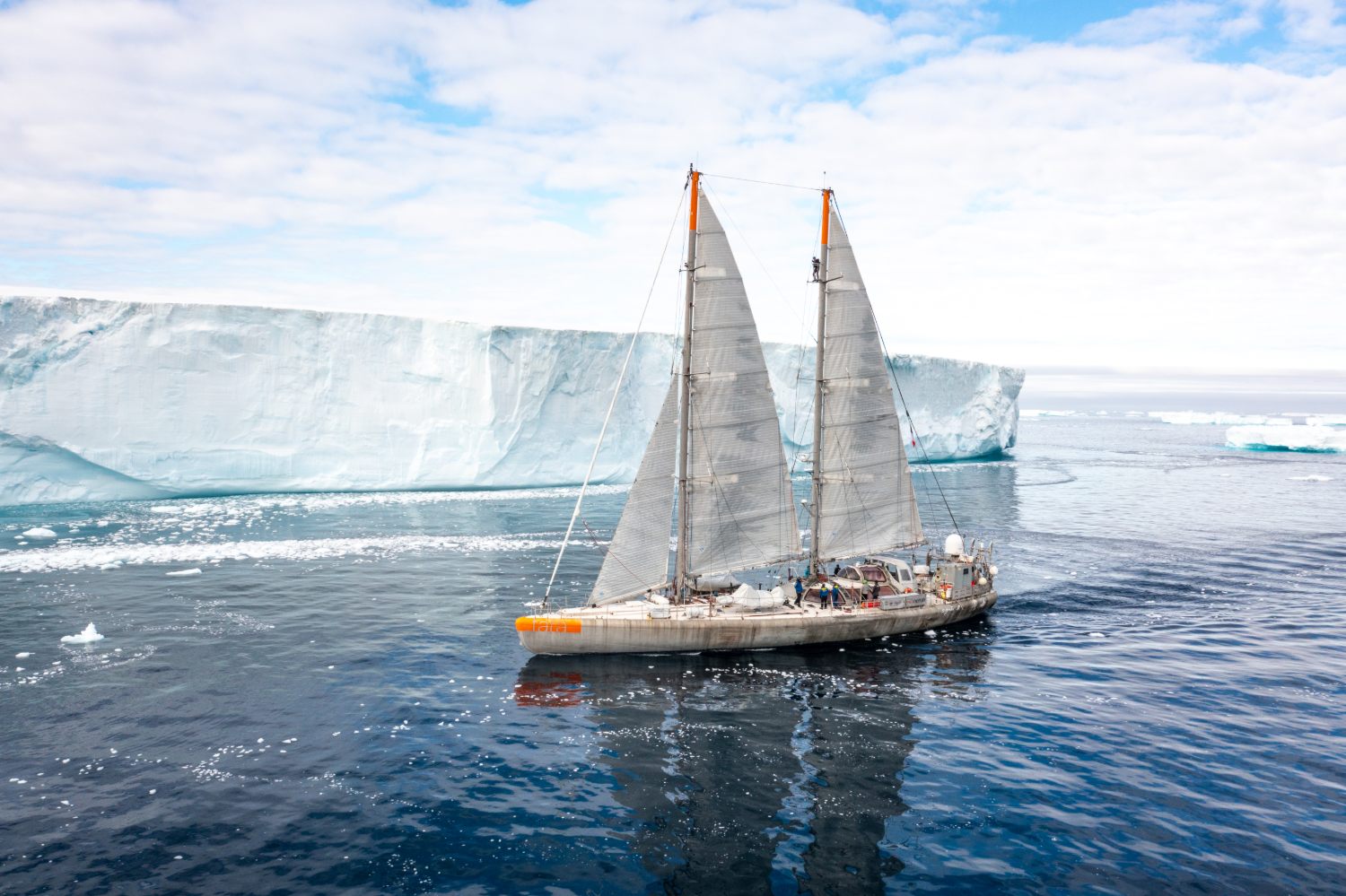
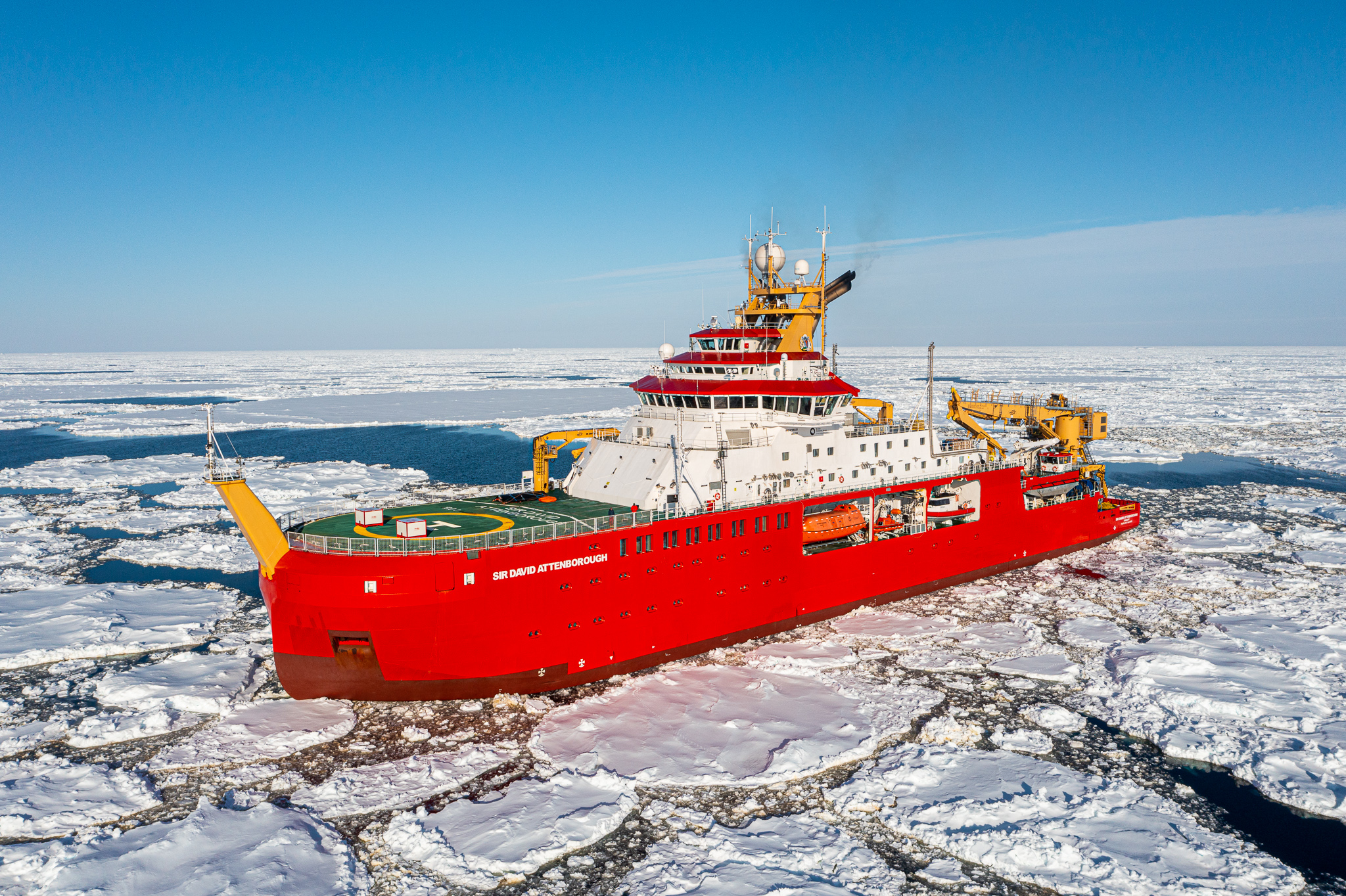
I am based at the Institut de Biologie de l'ENS (IBENS), Paris, under supervision of Prof. Chris Bowler and co-supervised by Prof. Alessandro Tagliabue at the University of Liverpool.
Why did you choose the FIRE PhD programme?
I chose the FIRE programme because it really encourages interdisciplinary and unconventional research, which fits well with the kind of project I wanted to do for my PhD. I am also passionate about planetary health and how research can contribute to addressing it, so being in a doctoral school that puts a real emphasis on that was important to me.
Another aspect that really attracted me was the cohort aspect of FIRE. The idea of doing a PhD alongside other students coming from very different disciplines, but who are all working on questions related to planetary health, really interested me. This type of environment creates opportunities to regularly meet, exchange perspectives, and learn from approaches that are different from your own. Since the cohort progresses through the programme together, it also builds a real sense of community and support, which I think is very valuable during a PhD.
Another important factor for me was the courses offered by FIRE and the structured programme accompanying you throughout the PhD, which adapts to the different stages of the doctoral journey.
In what ways has FIRE helped you develop your personal and professional project?
Since I'm still at the very beginning of my PhD, it's probably a bit early to talk about long-term impact, but there are already a few things I really appreciate about the programme. One of them is the openness of the community and the discussions with the other students. Being in contact with people working on very different topics exposes you to a lot of interesting subjects, trajectories and ways of thinking. Those exchanges have already been really helpful for me, for example pushing me to explain my own research clearly and to look at it from different perspectives. Through this programme I've met people and learned things that I never would have otherwise.
Another aspect I really value is that FIRE connects research with actors outside academia, such as policy makers or associations. Most of my previous experiences was within academic environments, so being exposed to these different perspectives really broadens your view and helps you see how research can interact with the wider world.
FIRE is very international and actively supports exchanges and collaborations within your research project and through the LPI, which I think is a real asset. I've also had the chance to take part in two courses, one on scientific writing and another on science communication and outreach, and both were really useful and directly relevant to my PhD work but also to research in general. Overall, I feel very supported within the FIRE programme, which is especially important at the beginning of a PhD. The financial support from the programme also gives me flexibility that I wouldn't otherwise have, and allows me to invest in opportunities such as conferences or additional training. More broadly, FIRE offers many opportunities and events that help you develop not only as a researcher, but also personally.
Who should apply to the FIRE PhD programme, and what advice would you give future applicants?
I think FIRE is a really good fit for people who are curious and open-minded, and who are genuinely interested in interdisciplinarity, not only within their own research, but also in learning from very different fields. Since the programme brings together people working on planetary health from many perspectives, it really helps if you enjoy exchanging ideas and discovering topics outside your own discipline.
My main advice for applicants would honestly be to be yourself. The programme is quite diverse, and everyone brings different backgrounds, ideas, and ways of thinking and that's one of its strengths. I would also say it's important to work on a project you genuinely care about. A PhD is a long process, and being passionate about your own research really makes a difference. At the same time it's important to stay flexible, projects evolve a lot over three years, and that's part of the process!
Finally, I would also encourage future applicants to take the time to look at the programme, the courses, and the projects that are already part of FIRE. It gives you a really good sense of how diverse it is, and of the kind of research community you would be joining.
Applications for the FIRE doctoral school are open. Spread the word!
> FIRE Doctoral School - open applications until 3 April 2026: https://phd.learningplanetinstitute.org/en/join-us