
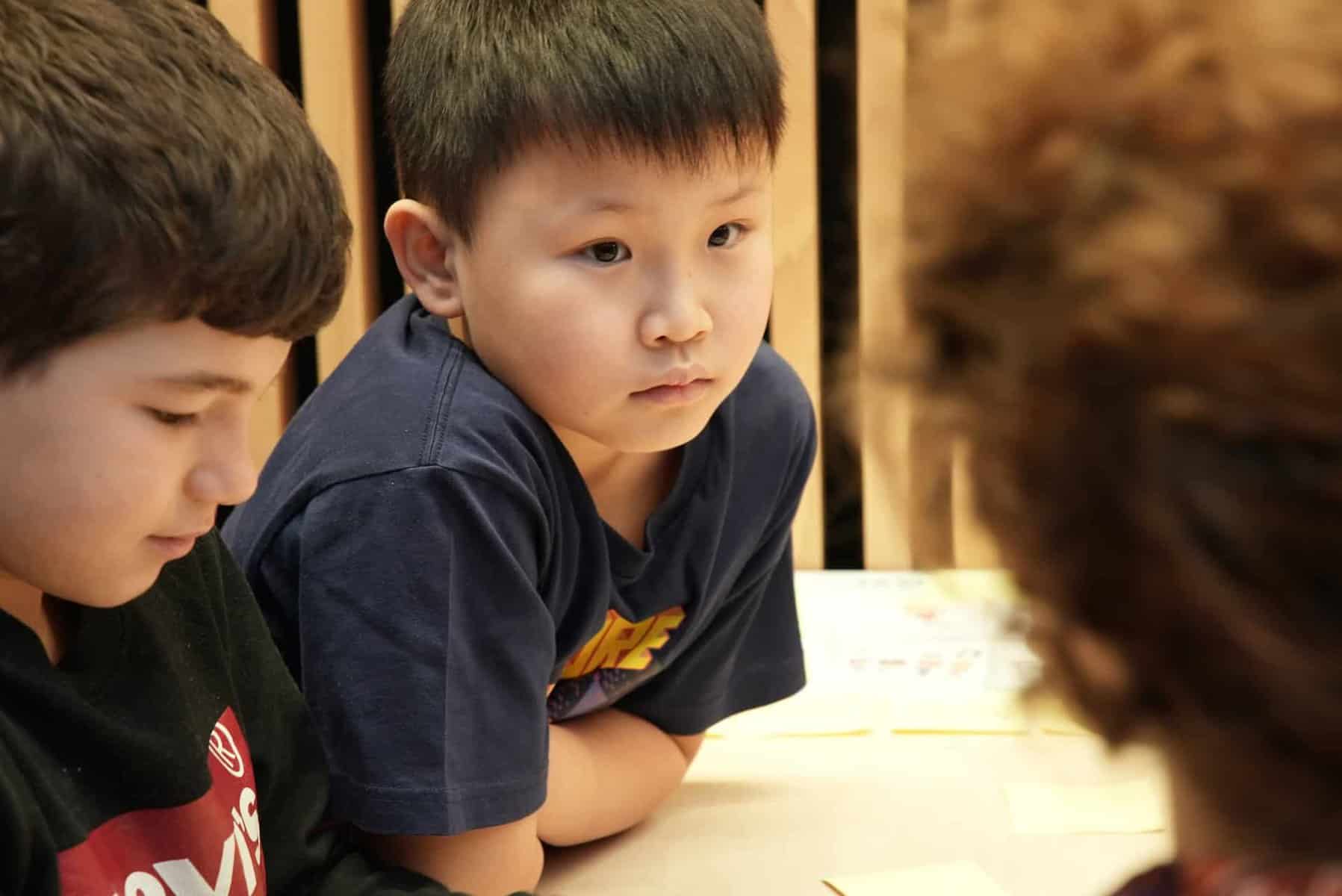
While psychiatrists and child researchers* - including Ariel Lindner and Elie Rotenberg, co-founders of LISA -have just published a column in Le Monde calling for massive investment in children's mental well-being to reduce the risk of future psychiatric disorders, Elie Rotenberg and LISA project leader Micaela Hirsch look back at the project's foundations: the needs it addresses in light of current societal issues, the collaborative approach and the desire to involve all players in the educational ecosystem, and above all, the concrete impact on student well-being, school climate and learning.

What needs does the LISA project meet?
The LISA project aims to combat mental distress among young people, which affects more than one in five. It offers an identification tool and resources to help teachers identify and support these students. LISA also fosters collaboration between teachers, parents and health professionals, creating spaces for dialogue to better support young people. For families and children, the road to diagnosis and care at school can be a real obstacle course, especially as it can be difficult to fully understand certain issues. LISA aims to meet these needs.
Why does it resonate so strongly with current social issues?
The LISA project is a response to the mental health crisis facing young people, manifested in growing social isolation, harassment and an alarming rise in suicide rates, all accompanied by limited access to care. The COVID-19 crisis has exacerbated the visibility of these problems, in a complex socio-historical context marked by conflict and climate change. Against this backdrop, the Conseil Scientifique de l'Education Nationale identified children's well-being as one of the priority components of the major challenges facing Education Nationale (EN), which was communicated in the EN outline for 2024-2025.
How is the LISA project innovative?
We take a collaborative approach, bringing together researchers, clinicians, teachers and families to co-construct appropriate solutions. In partnership with laboratories specializing in mental health and neurodevelopment, we offer resources that are both scientifically validated and easily accessible to teachers. By integrating preventive actions and pragmatic recommendations, LISA aims not only to support students in difficulty, but also to promote the general well-being of all students within the educational community.

What impact has the LISA project had on the children's lives?
The LISA project has a significant impact on children's lives. By helping to identify the specific needs of each pupil, LISA enables teaching methods and interventions to be adapted, helping to improve the school climate and learning conditions, thereby promoting academic success. The earlier needs are addressed, the greater the impact on children's lives. Teachers often tell us “LISA has transformed the way I see pupils, and now I understand them and can act more effectively”.
What role do teachers play in the project? How are they prepared?
In the LISA project, teachers play a key role as co-designers of the platform's content, thanks to their active participation and feedback. To prepare them, we offer short training courses to enable them to master the tools, such as the tracking questionnaire and pedagogical sheets, that facilitate classroom management. Monthly meetings with mental health specialists, open to the public, go into greater depth on themes linked to student well-being.
How does the project include parents?
We are also committed to promoting collaboration between the school and parents, for the well-being of students, by facilitating dialogue through a common language. LISA offers parents access to resources and guides on the platform to support their child at home by directing them to the right resources. We encourage their involvement in the discussions and events we organize. Eventually, family-friendly resources and questionnaires will be available.
Why do you think the LISA project will be a success?
The LISA project responds to a problem in the field, offering teachers tools that are constantly being improved thanks to an action-research approach. Its approach, involving teachers, researchers, clinicians and families, also guarantees a collaborative vision at the crossroads of knowledge and practice. The commitment of institutional players, such as the French government through France 2030, the Ministry of Education, the participating academies and the Robert Debré Child Brain Institute, also ensures effective deployment and wide dissemination of the project. These are all key factors that will reinforce LISA's impact on the well-being, school climate and learning of individual students and the class as a whole.
*Richard Delorme, Bennett Leventhal, Ariel Lindner and Elie Rotenberg
Learn more
- LISA project
- Opinion column published in Le Monde «Investing massively in children's mental well-being reduces the risk of future psychiatric disorders».»
Upcoming events not to be missed
- 26/11/2024 | From 17:30 to 18:30 CET | Webinar: «Attention deficit disorder with or without hyperactivity and school career: better understanding for better action».»
- 09/12/2024 | From 18:00 to 19:00 CET | Webinar: «Students taking responsibility for their own well-being: an educational experiment to combat violence in schools».»