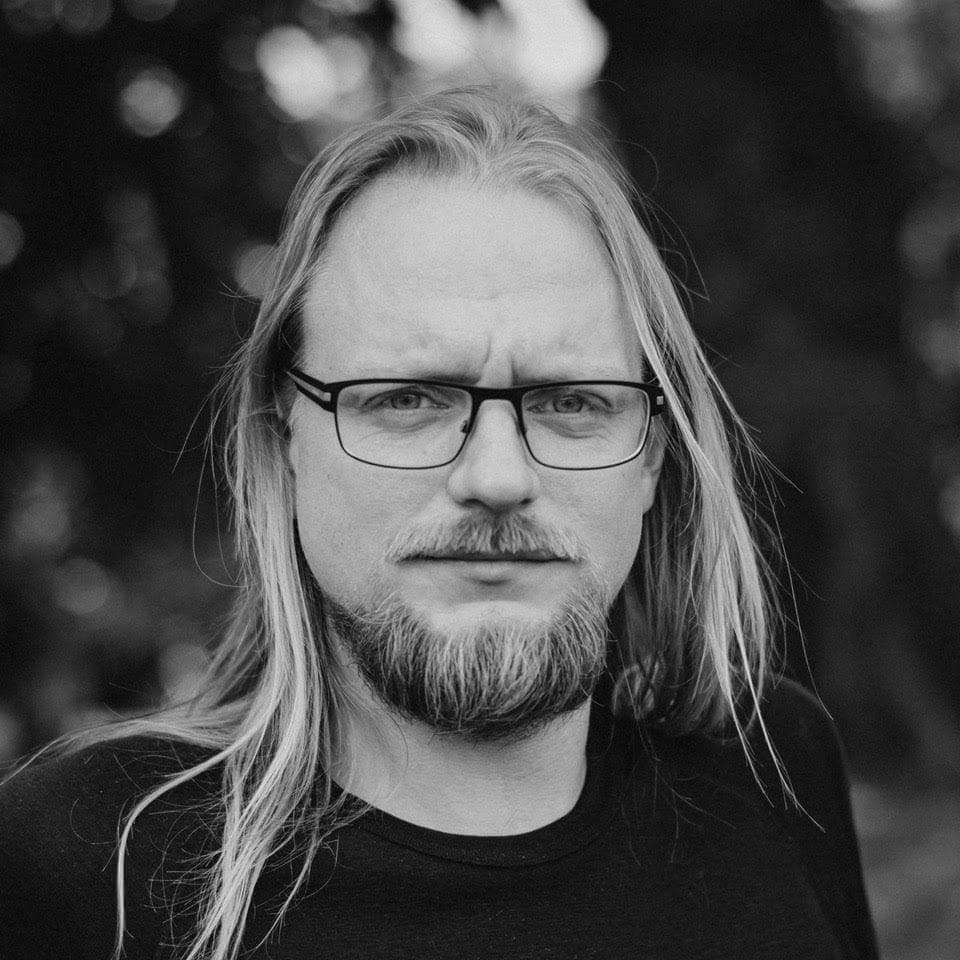
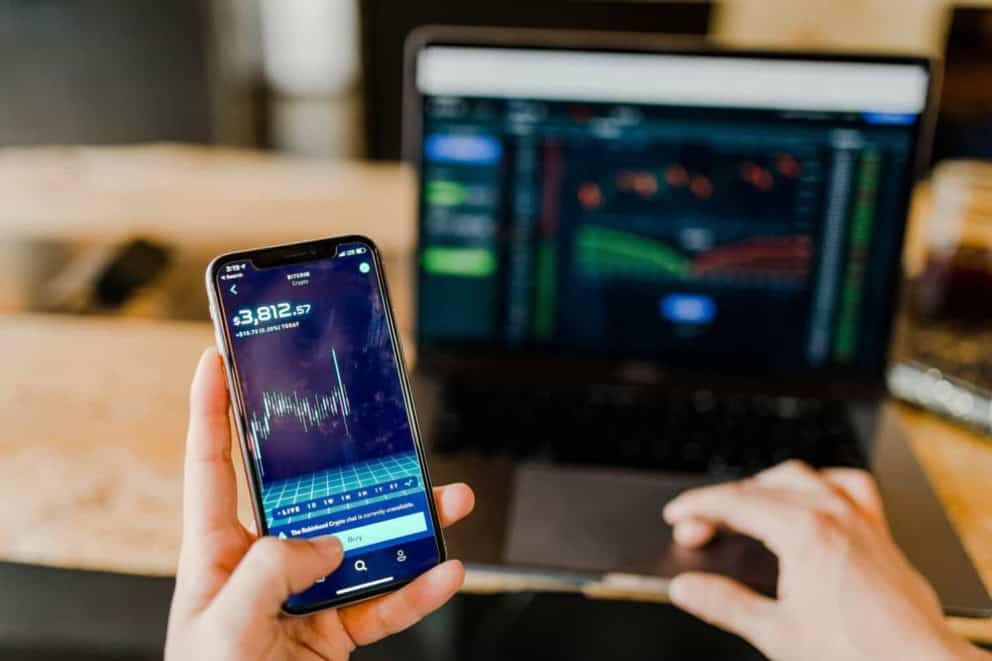
With the rise of smartphone apps and connected devices, many aspects of our lives are now digitized. Could we use this data to empower ourselves and participate in collaborative research? Bastian Greshake Tzovarasis convinced that “basically, everything is better if you add open in front” : His idea is to build a community science model that allows individuals to selectively share their data with others. This biologist-turned-computer scientist acquired a taste for bioinformatics and computational biology during his Masters in Ecology and Evolution at Frankfurt University. He has extensive experience of citizen science projects: OpenSNP, co-founded in 2011, is a crowdsourced open data project that facilitates both citizen science projects and traditional academic research:
We wanted people to be able to share genetic data from personal genetic tests and make them available to researchers..
Bastian chose to do full-time research in the field of open science after his PhD in bioinformatics. He joined the’Open Humans Foundation, an organization dedicated to empowering individuals and communities around their personal data, and then began a long-term internship at CRI. Her project now involves “use the personal data that people collect not only from genetic testing, but also from wearable devices, geolocation, phone records... so that people can understand the data they're collecting and they can do research both individually and collectively.” He joined the’Open Humans, a platform for participant-centered research and personal data exploration. The community brings together over 8,000 members: researchers, patients, data scientists and citizen scientists... All participants can explore their data and share it with projects by citizen scientists and academic researchers. Among the projects we can find a diary for patients to collect data on their symptoms and analyze the evolution of their disease. Another example is that of a person interested in tracking hearing sensitivity throughout the day. It is important to note that access to personal data is private and secure. According to Mr. Bastian, beyond the enormous potential for scientific research, “the‘he exploration of our own data could be a an excellent way of gaining greater control over data: it allows us to choose which data to share with others and under what conditions“