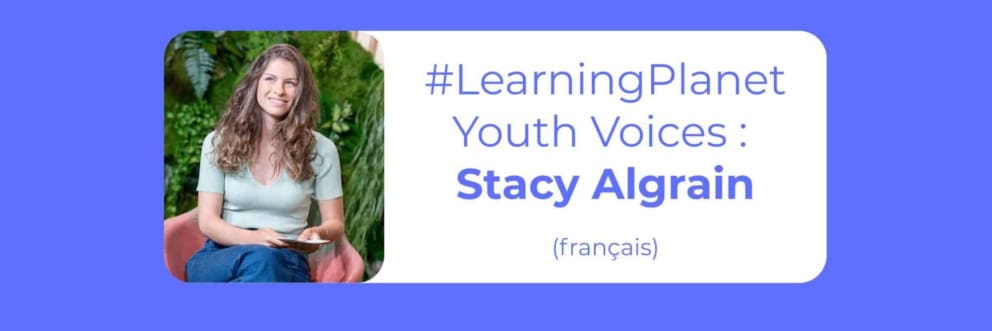
Meet Stacy:
My name is Stacy Algrain, I'm 24, and I'm doing a Master's in Environmental Policy at Sciences Po Paris. I'm currently taking a year off to complete my projects and think about what I want to do later on. On a more personal note, I'm the daughter of blue-collar workers who grew up in a small town in the south of France between Aix and Marseille, which is home to the second largest SEVESO site in France.
Some links :
- His Youtube channel
- Its newsletter
- His Twitter account: @Stacy_algrain
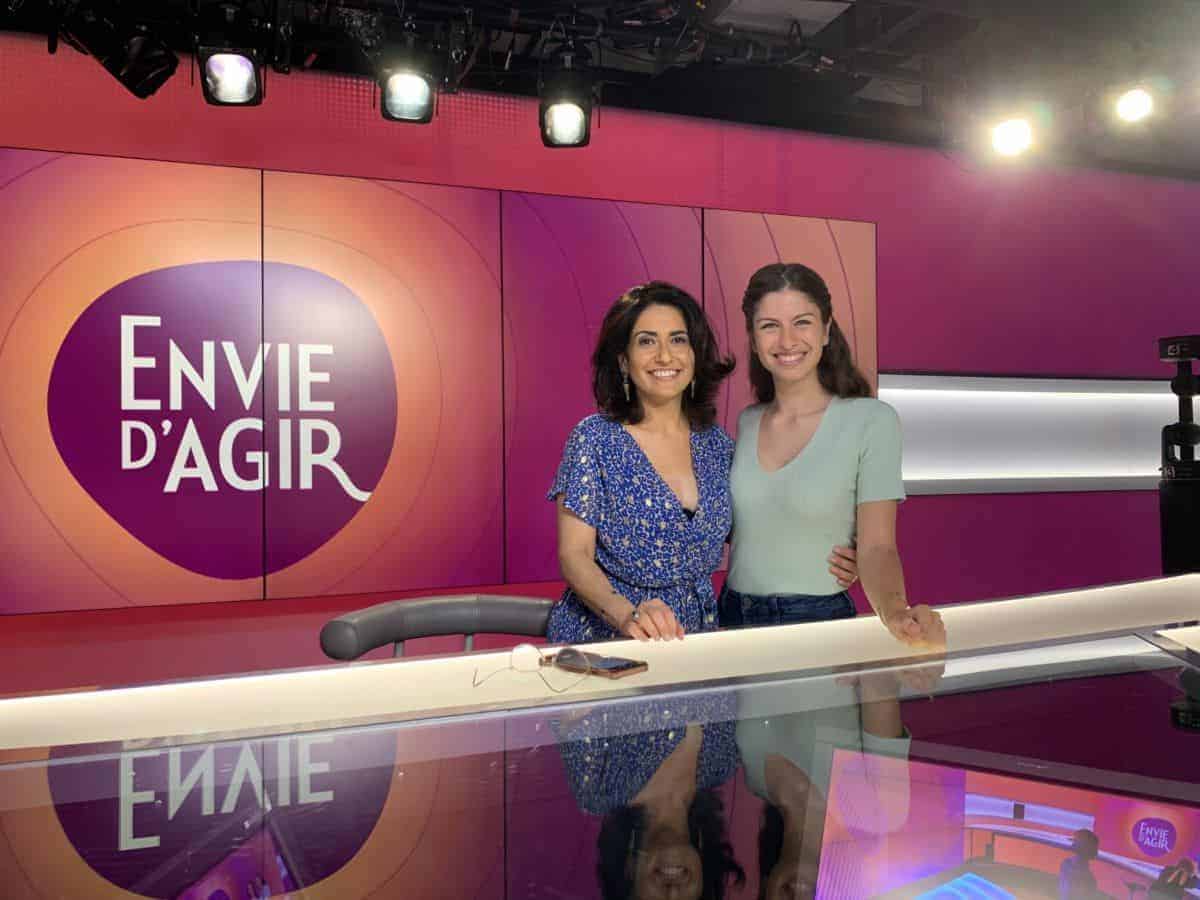
- His “Envie d'agir” interview”
What was the moment of realization that encouraged you to take action for the society in which you live? ?
At the age of 19, I began to suffer from a chronic inflammatory disease that affected my digestive system and my joints. At first, I questioned my lifestyle: what I ate, how I exercised, and then I began to wonder about the environment in which I'd grown up. The petrochemical plant just behind my house had been releasing harmful products into the atmosphere all this time. The result: environmental destruction, air pollution and... health problems, since a study showed that the cancer rate in this area was twice the national average. This discovery made me wonder why, as a citizen, I didn't have this information, why the public authorities weren't doing anything about it, but above all how I could take action. That's what motivated me to join the Master's program I'm currently enrolled in, in the hope of one day protecting the environment and the health of those citizens sacrificed in the name of economic interests.
This personal story should be powerful in illustrating, concretizing and refocusing the debates in your activist battles! What form(s) has your commitment taken in recent years?
What spurred me into action was the first Covid containment. Something clicked: the experts invited by the media were difficult to understand, and didn't talk about the wider societal impact of the pandemic, beyond its purely health-related aspect. So I created a media outlet - Thinking beyond - to ask them my questions as a student and broaden the range of topics covered.
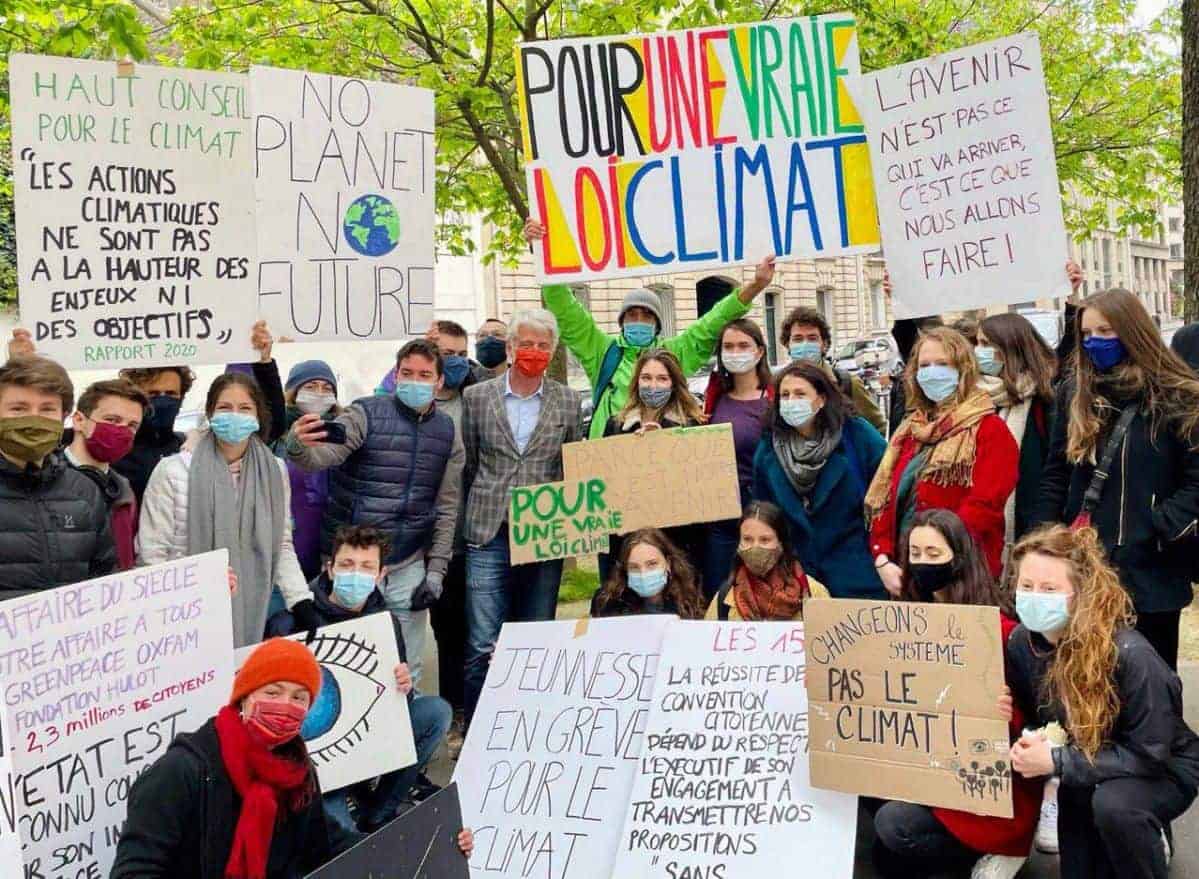
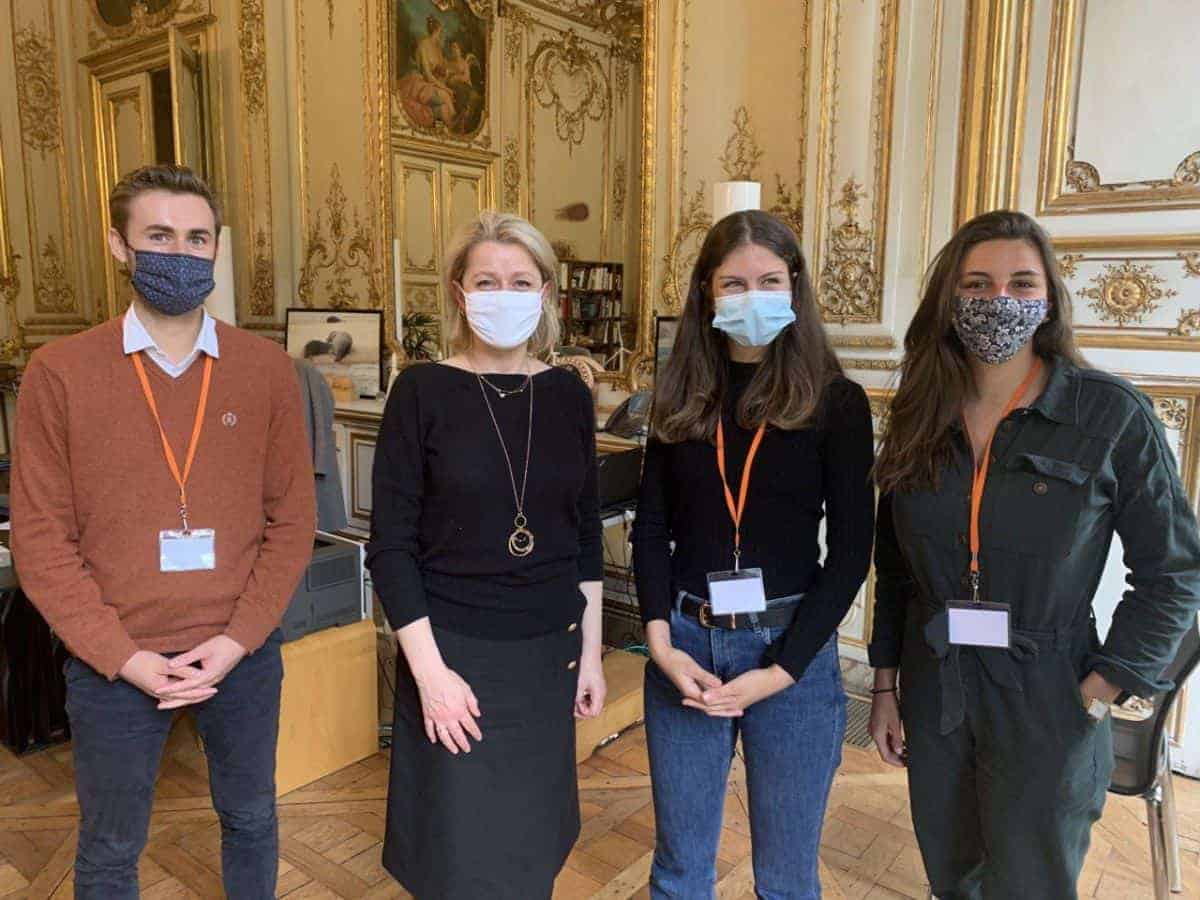
Last March, along with 6 other committed young people, we organized a three-week demonstration in front of the French National Assembly. The idea was to create a space for debate on the climate bill, saying that if democracy didn't come to us, we'd go to it. Several MPs came to see us, and the argument some of them often cited in response to our climate expectations was the protection of jobs for the so-called working classes. However, they didn't really respond when it came to protecting these same jobs in the face of massive offshoring abroad. The real issue underlying the story is the economic interests of big business.
How can we make civic engagement accessible to all young people, including those who face more than one obstacle (language barriers, lack of networks, limited resources, difficulties accessing technological tools, etc.)?
It's not necessarily up to them to join the causes that matter to us. These young people are the best spokespeople for the causes they care about, them. For example, I've had health problems and I can talk about them, but I'll never be legitimate on the subject of racism, as I haven't personally experienced it. The best thing I can do in that case, when it comes to battles that aren't my own, is to be an ally, a supporter. These young people shouldn't hesitate to get involved and set up their own associations; there are people who can help them, and I'd be delighted to pass on my modest experience to them.
What advice would you give to someone with fewer privileges?
First, they have to wear who they are and use their own language. This is far more powerful than trying to fit into a mold. Secondly, I'd advise them to join organizations that offer training to build their self-confidence, or to get in touch with inspirational people to surround themselves with mentors. Learning to defend your ideas and have a clear vision of your objective is essential.
What misconceptions and perceptions do adults have about young people? What don't they understand about young people?
A striking example of this gap between the young and the not-so-young was illustrated by the Fridays for Future - movement launched by Greta Thunberg - where young people skipped school to demonstrate in favor of climate action. I've heard a lot of “it's just that they don't want to go to class”, or even, “they make a big deal of their climate”.”. But don't get us wrong: we're more affected by these issues because we've grown up with them. For previous generations, climate emergencies and disasters were a distant threat repeated over and over again, but for today's young people, they're a reality.
Another recurring theme is that we're too radical. On the contrary, I think we should be more grateful to all those young people who fight with such conviction: later, and thanks to them, we will have collectively acquired privileges that will have become the norm. I see them as visionaries.
What difficulties did you encounter at the start of your involvement? How did you overcome them?
I'm 24 and I'm a woman. It's fair to say that youth and my gender are sometimes a double whammy: my speech is cut off, my legitimacy questioned, sexist remarks made or the old habit of absolutely wanting to find something wrong with what I say (the famous, “I agree with you, but...”). Furthermore, being a student at Sciences Po often labels me a bourgeois bobo; apart from the fact that this type of shortcut is totally useless, it's not my case and that's what can make my commitment stronger and more legitimate in the eyes of some.
What would you like to say to political decision-makers?
We've run out of time, we've got to stop with the contradictions and the window-dressing. In a +2° world, it's not just summers that will be complicated, but life on Earth.
(Copyright: Stacy Algrain; Photo courtesy: Stacy Algrain)