François Taddei, director of’Learning Planet Institute, researcher at INSERM, professor at’University of Paris, next book Game Changing: Together Solving the Challenges of our Time, published by Calmann-Lévy, January 2022.
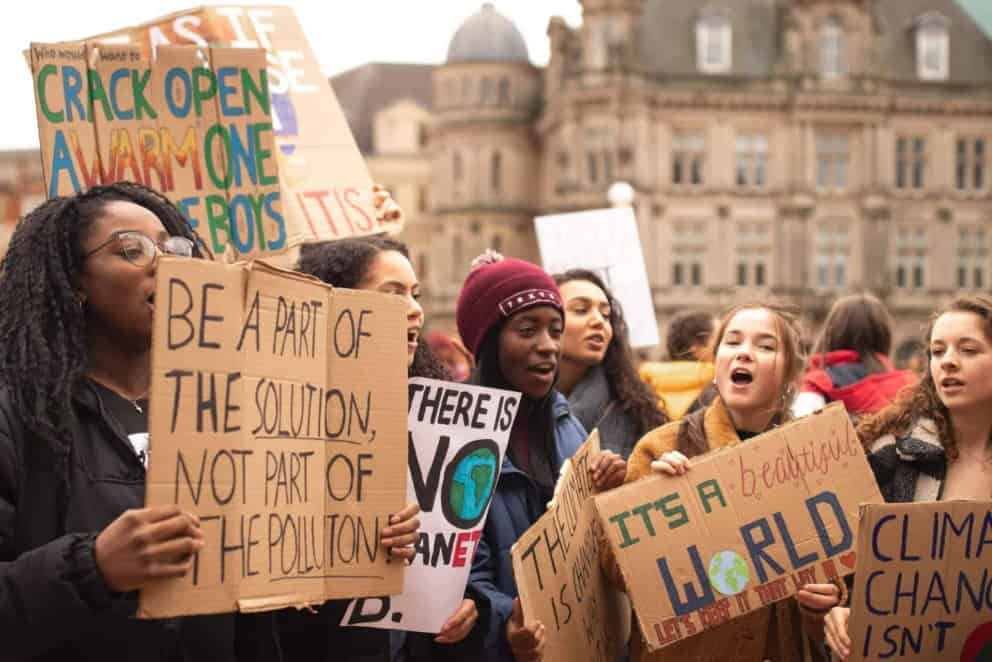
For the 26th year running, the COP took place, but to no avail. Always the same story: too little, too late, or, as Greta Thunberg puts it, a “two-week celebration of business as usual and blah-blah” and “a festival of global-north greenwash” As the young activist's words attest, young people were at least better represented this time. Faced with climate change, declining biodiversity, gender inequality, persistent racial discrimination, economic inequality at an all-time high, and much more, the young people at the summit were caught between hope for what could be and frustration with the process. Part of that frustration stems from the fact that young people don't have a voice without a vote, and that even if they could vote, global governance isn't strong enough to guarantee the changes they demand.
Saving our children's future
Is it beating a dead horse to say that our children face a bleak future? In February 2020, just as the pandemic was beginning to manifest itself internationally, a commission made up of the’UNICEF, the WHO and the medical journal The Lancet has published a report entitled “A Future for the World's Children” on the challenges facing our children in the future. The report's indictment is clear: “No country is doing enough. It's not just climate change that threatens our children's future, but addiction to fatty foods and technology fueled by predatory marketing, lack of access to healthcare, and the list goes on. According to WHO Director-General Dr Tedros Adhanom Ghebreyesus, ”this report shows that the world's decision-makers too often fail today's children and young people: they fail to protect their health, to protect their rights and to protect their planet.“ The report concludes with a call to interpret the UN's 17 Sustainable Development Goals from a children's rights perspective. Universal Children's Day is celebrated on November 20.
Since February 2020, the pandemic has worsened an already difficult situation for children. Equitable access to healthcare is more difficult than ever; child marriages are on the rise, as is physical, psychological and sexual violence against children; more and more children are dropping out of school and joining the ranks of child labor. Young girls are particularly at risk of dropping out of school, either because they are taken to help with work at home, or because they are forced to leave school due to unwanted teenage pregnancies. To add to the list of grievances, the recent Sauvé report in France revealed that over the past 70 years, the French clergy has abused over 200,000 children, the media has no shortage of revelations about sports governing bodies covering up the physical and sexual abuse of child athletes, and we're just scratching the surface of the list of dangers facing our children.
The situation is so overwhelming that it may be best to throw in the towel. Yes, it's true! Obviously, that's not an option, but what can we do to really make the world a better place for children? First of all, we need to raise awareness on a global scale. Children and their families need to know their rights, and people who work with children need to know how to recognize signs of abuse and report them as soon as possible. From there, abused children must be able to access counseling services, and these counselors must have access to resources. On the perpetrators' side, justice must be done to punish the abusers and sanction the organizations and institutions that covered up the abuse. Finally, as a society, we need to learn more about the effects of childhood trauma, and show more empathy for those whose lives have been compromised by a harmful family environment over which they have no control. To give you an idea of the severity of childhood trauma, the Scientific American reported that a difficult childhood can reduce life expectancy by 20 years.
Twenty-five years ago, a study conducted in partnership with the U.S. Centers for Disease Control (CDC) formalized a method for assessing childhood trauma, called the Adverse Childhood Experiences (ACE) score. The study revealed that people with a high ACE score were more exposed to serious problems in adulthood: three times more likely to develop heart or respiratory disease, four times more likely to develop diabetes, five times more likely to develop depression, and twelve times more likely to become suicidal. The social and health costs of substance abuse trauma are estimated at hundreds of billions of dollars a year and, as the conventional wisdom goes, “like father, like son”, people who have experienced substance abuse trauma as children are more likely to repeat abusive behaviors on their own children. Fortunately, there is hope. ACEs can be prevented; the cycle of violence can be broken provided our society is sensitive to the needs of people who have suffered ACEs and provides them with the tools they need to recover. By doing so, we not only help people to live more fulfilling lives in the present, we also stop intergenerational cycles of violence in their tracks.
Children want to help shape the world's future today
Doing the right thing for our children is not only a legal obligation, it's also an ethical one. School and family teach children to live in the world and become independent, but times are changing and the old way of raising children no longer meets the needs of today's children. Children are aware that the planet on which they hope to have a future is being destroyed and, as a result, they are eager to be heard in the political process. We need to help them in this effort, and mobilize our knowledge and resources to develop new ways of educating children.
At a time when children are clamoring to have a greater say in the political process, we're finding that young people of voting age are turning away from the ballot box. But it's not as if they've withdrawn as citizens. Just look at the mass demonstrations of Future Fridays, Black Lives Matter and others. It's not that they're indifferent to political issues, but rather that mainstream politics doesn't meet their needs. Young people don't believe the old rhetoric that they should vote because it's their civic duty. They vote when they feel their vote can really bring about change, and they're less interested in the classic debates pitting economics against welfare; they want to see cultural change and a healthier planet. If they feel their issues aren't being represented at the ballot box, they channel their energy more productively through local protests and initiatives. If you think that low voter turnout among young people is a sign of regression, open your eyes. The opposite is true. Today's democracy needs to make room for today's young people, and find ways of giving them the reins so that they can be players in world politics.
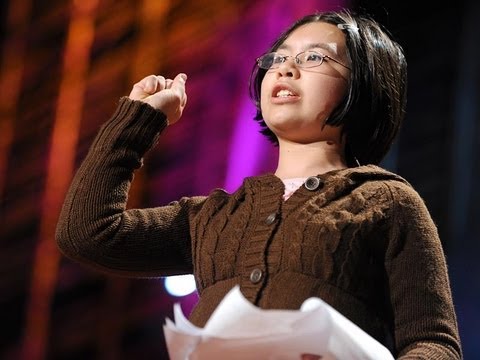
In short, we need to take young people seriously. The work of Alison Gopnik, professor of psychology at UC Berkeley, has shifted the paradigm by showing that children are in fact tiny scientists, hypothesizing and experimenting to understand their surroundings, and doing so with remarkable creativity. Despite the efforts of well-meaning teachers and community organizations to find ways of involving young people in the political process, the system doesn't take them seriously, leading to disillusionment and resentment.
Nicolás Brando, member of the Centre for Children's Rights at the’Queen's University Belfast, wrote about how the logic used against lowering the voting age is the same logic used in bygone eras to prevent women, the poor and minorities from obtaining the right to vote. Logic dictates that group X is incapable of making informed decisions because its members lack a sound mind or real-world experience, are susceptible to manipulation and risk undermining the democratic balance. Whatever your position on the issue, ask yourself this question: at what age does one become a citizen, biologically speaking? In some countries, the voting age is as high as 21, whereas it is only 16. What if the right to vote was granted at birth, and our parents were its guardians until we felt capable of understanding the issues and voting ourselves?

Just as today's young people go beyond voting to bring about change, we can also set up commissions or other bodies that would provide children with a loudspeaker with which to weigh in on issues in a meaningful way. The UN Declaration of the Rights of the Child recommends this in its precept that “the child should be brought up with the understanding that his or her talents are to be devoted to the service of his or her fellow human beings” It's not a question of giving children the keys to the world's democracies, but simply of respecting their part of the democratic contract. We have ratified a declaration on the rights of the child, so why not ensure that every principle is respected to the letter? Indeed, let's show young people that we trust them by giving them a voice in the great global initiatives of our time, bearing in mind that it's not just rich European children we're talking about, but all children from all walks of life. In the meantime, the place to start is in the classroom. Young people have a vision for tomorrow, and requirements for today to realize that vision. They are eager to be heard, and if we want a future of hope rather than disaster, it's time we started listening to them and learning from them.
What if the next generation were the first to be truly global citizens? The ancient Greeks established citizenship at the level of the city-state. The Enlightenment extended it to the nation-state (without recognizing the rights of women, foreigners, minorities and young people). Isn't the next logical step citizenship on a global scale? Women won the right to vote in20e century; in the digital age of21e In the 21st century, it's time for young people to reclaim the Enlightenment and make it more inclusive and healthier for the planet. To deal democratically with global issues, we need a grassroots global system, whose roots reach down to our smallest citizens, children and young people, to ensure they have a voice.
What if we worked with young people to define what it means to be a true citizen of the world?
This article was originally published by The Conversation
 Taddei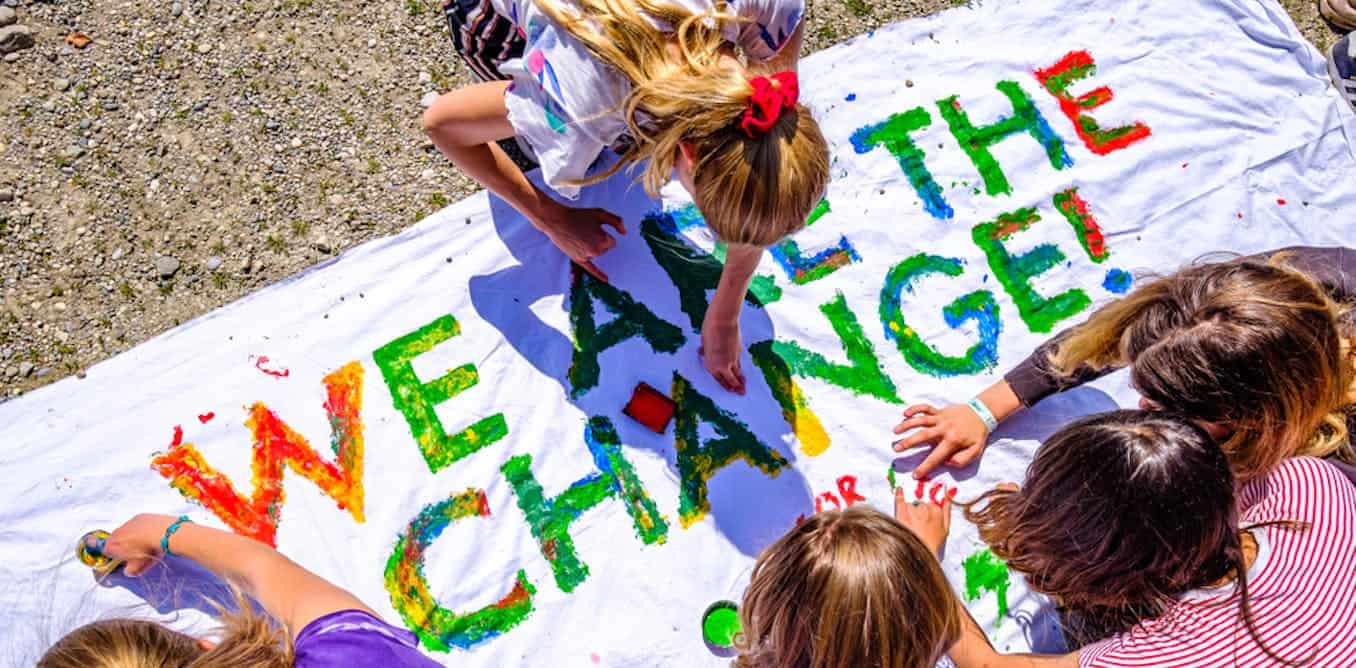
TED Talks
- Henrietta Fore | How can we help young people build a better future?
- Howard Taylor | A global initiative to end violence against children
- Georgette Mulheir | The tragedy of orphanages
- Sydney Chaffee - How can teachers help children find their political voice?
- Adora Svitak - What adults can learn from children