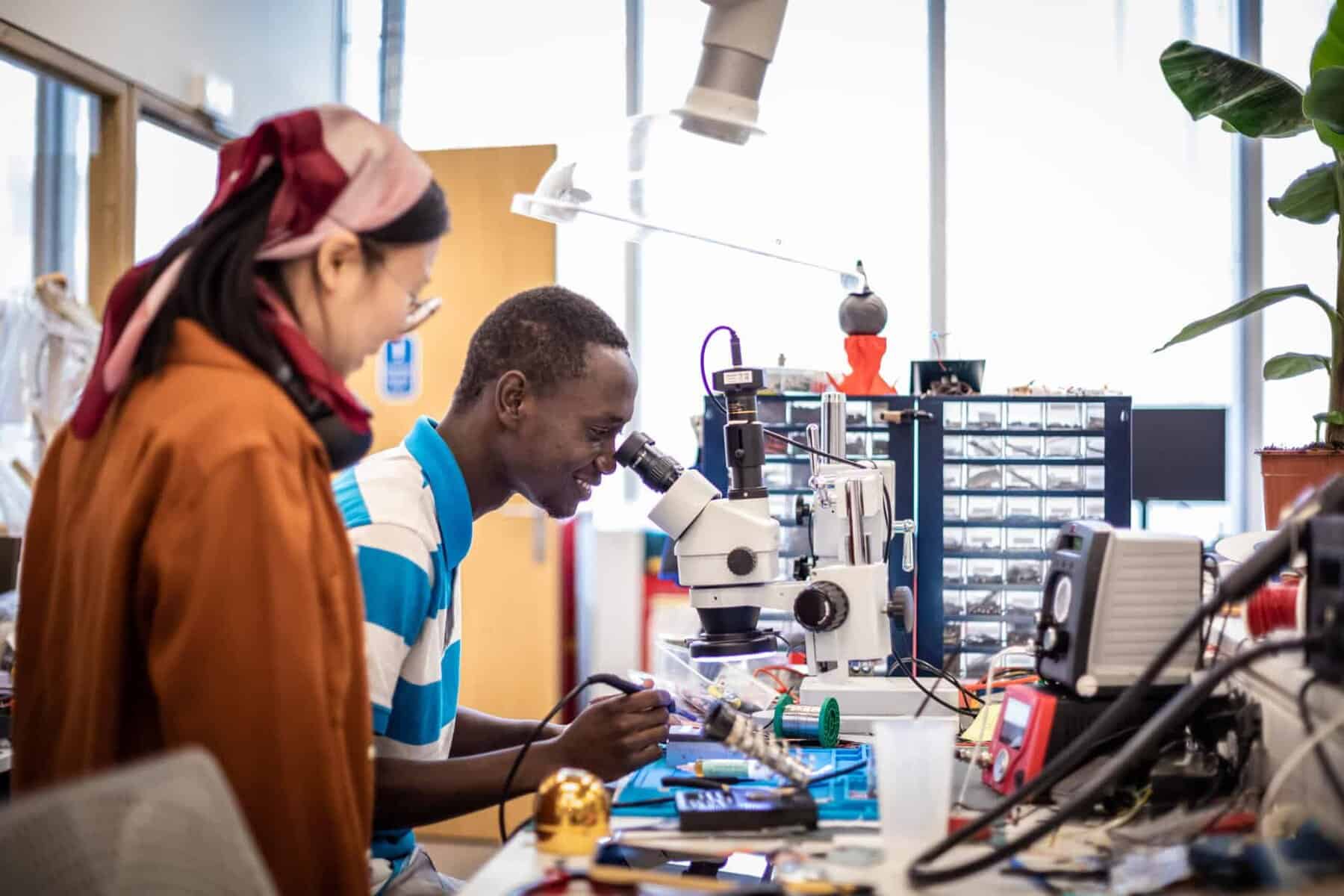
Students are at the heart of our projects and we help them to imagine, prototype and manufacture tools«.« open source » to meet the UN's sustainable development goals.
Visit Learning Planet Institute, it's within the MakerLab - evolution of the fablab - that numerous projects are created. Each idea developed must meet the following conditions:
- be frugal (with lower production costs)
- be sustainable (all MakerLab projects must meet a sustainable development or «sustainable development" objective).« SDG »of the United Nations)
- be free of charge (or « open source »and therefore adaptable by and for all individuals
Throughout the year, the MakerLab provides machines (3D printers, laser cutters, etc.), traditional (carpentry), electronic and programming tools, as well as expertise and training (in design, prototyping, raising awareness of inclusion and environmental issues) for secondary school pupils, students from post-BAC to Doctoral School, and so-called «green" people.« very far from employment ».
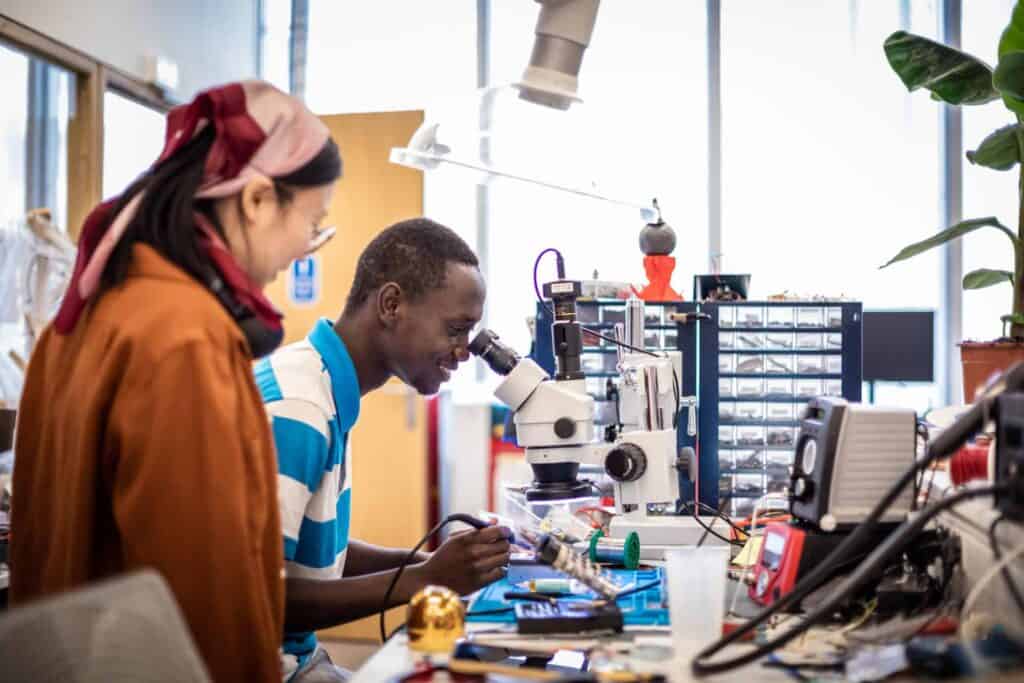
STUDENTS BUILD SOLUTIONS IN LINE WITH SUSTAINABLE DEVELOPMENT OBJECTIVES
One of the MakerLab's main aims is to create health solutions linked to the environment. Our teams and students regularly address the following question:
How can we create low-cost medical and/or inclusive equipment? How can we ensure that they can be freely modified, adapted to all territories and distributed without restrictions?
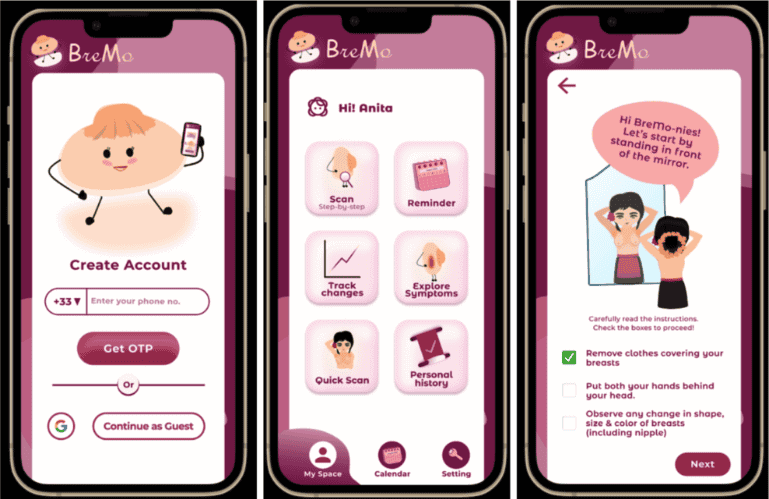
In Nepal, early detection of breast cancer is complicated by the taboo surrounding the subject and difficult access to care. Sweekrity Kanodia offers a number of low-cost, fun devices and interventions, such as a royalty-free application - «BreMo». The app raises awareness of breast cancer and self-diagnosis.
Following a call from a nephrologist at St John's Hospital in India, Chetan Kumar Velum a student built a peritoneal dialysis machine for less than 1,000 euros. The usual average cost is between 10,000 and 15,000 euros.
To monitor stress in children with autism spectrum disorders (ASD), Rajeev Mylapalli uses the “soft robotics”(which is robotics made from flexible materials such as silicone, rubber and plastic) to create pneumatic actuators. The bracelet inflates, exerting a gentle, reassuring pressure.
FIND OUT MORE ABOUT MAKERLAB'S SUMMER SCHOOL
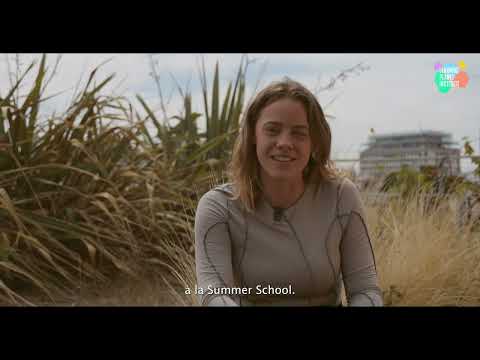
For the past 7 years, students from all over the world have been coming together for a summer at the Learning Planet Institute's MakerLab. L’SDO Summer School or « SDG Summer School »The project, entitled "A new approach to health and the environment", enables students to co-construct and present innovative projects to solve health problems linked to the environment.
FIND OUT MORE ABOUT OUR INCLUSION PROGRAMS AT MAKERLAB
Our programs « Inclusion »The MakerLab also provides support to help them build their entrepreneurial projects, with the help of the Orange Foundation.
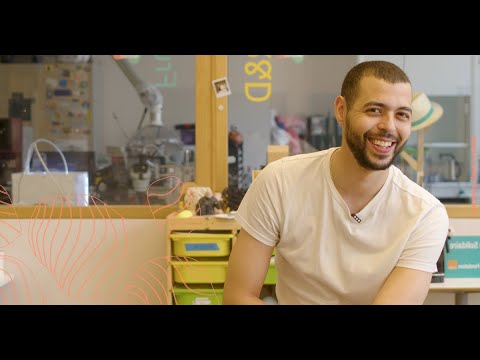
DISCOVER OUR COMMUNITY
Read the portrait of Rajeev Mylapalli, PhD student and researcher.
Read more portrait of Roua Mazouz, a student who launched her start-up following her participation in the SDG Summer School.
Read The Schools Challenge« article on middle-school students” who brought their projects to life«.« for a sustainable city »in the MakerLab