The Learning Transitions Research Unit (UR LT) is a joint research unit of CY Cergy Paris Université & the Learning Planet Institute. It broadly focuses on learning about transitions and the transitions of learning.
The general objective is to build scientific theories, methods and tools for addressing learning transitions, based on interdisciplinarity, citizen science, collective intelligence and artificial intelligence.
Key figures
In 2024-2025
- 36in-house researchers
- 60associated laboratories
- 20research projects
- 56scientific publications
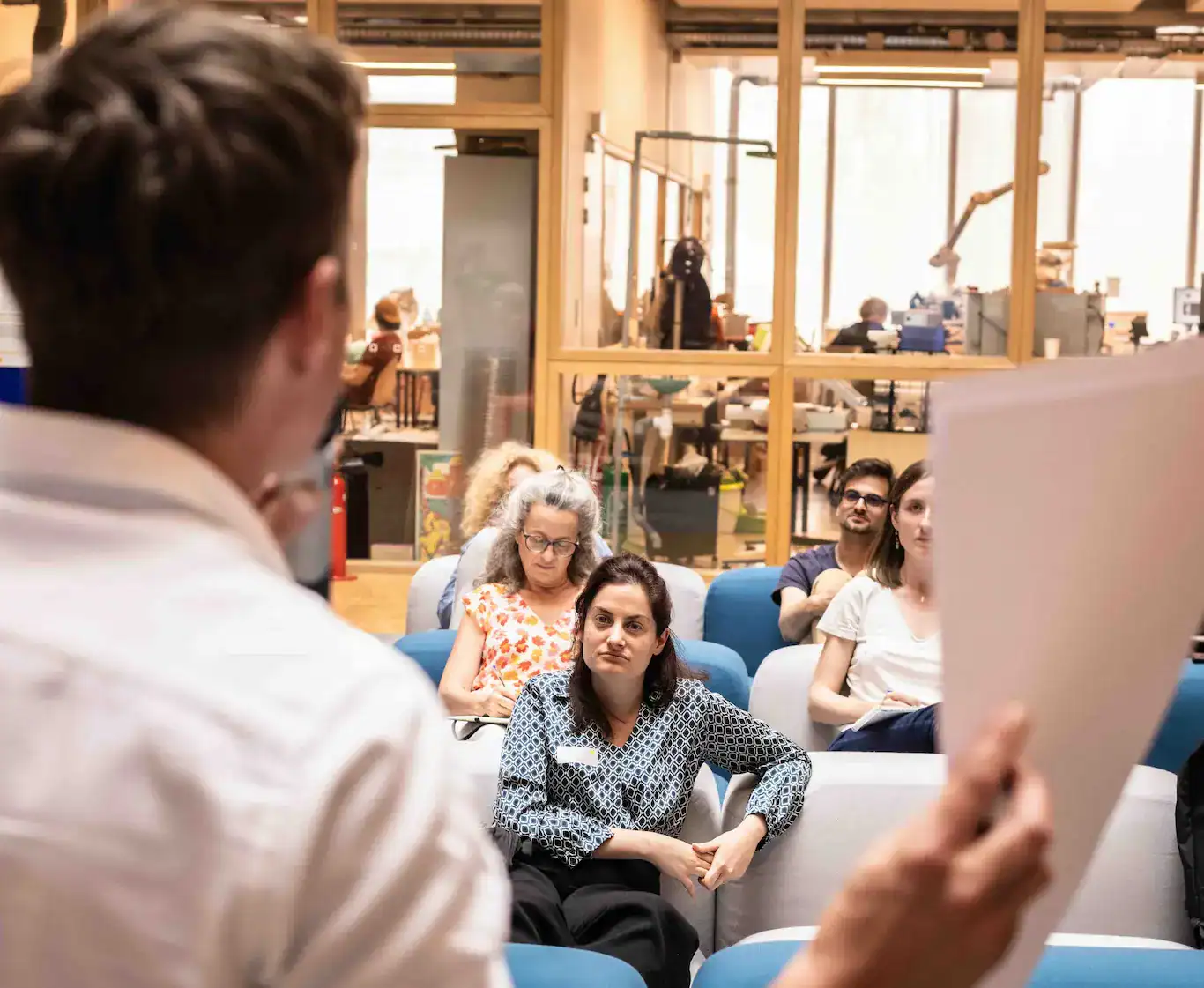
Four research domains
Systemic analysis of transitions
Systemic analysis of transitions adopts an interdisciplinary approach to transitions in order to develop frameworks for systemic analysis. For example, the transition of education as a whole can be studied in terms of dynamics and interactions, in order to identify levers for action and transformation. Similarly, we could study social or technological transitions.
Individual transitions
The facilitation of individual transitions aims to support individuals in their transition to the status of citizens of the planet, capable of taking care of themselves, others and the planet.
Topics of study include citizen science, learning trajectories and the transformation of emotions into action.
Community & organisational transitions
Enabling transitions in communities and organisations involves drawing on the collective intelligence and citizen science of communities and organisations to identify the best methods for the evolution of different types of organisations, in particular universities, schools and other types of organisations working for the general interest.
Human-AI collaboration for transitions
Human-centered Artificial Intelligence for transitions is focused on developing theories, methods and tools for collaboration between humans and machines.
Topics of interest include governance, AI ethics, AI-enhanced collective intelligence, and the creation, transmission and evaluation of knowledge in the AI era.
Joining the UR LT
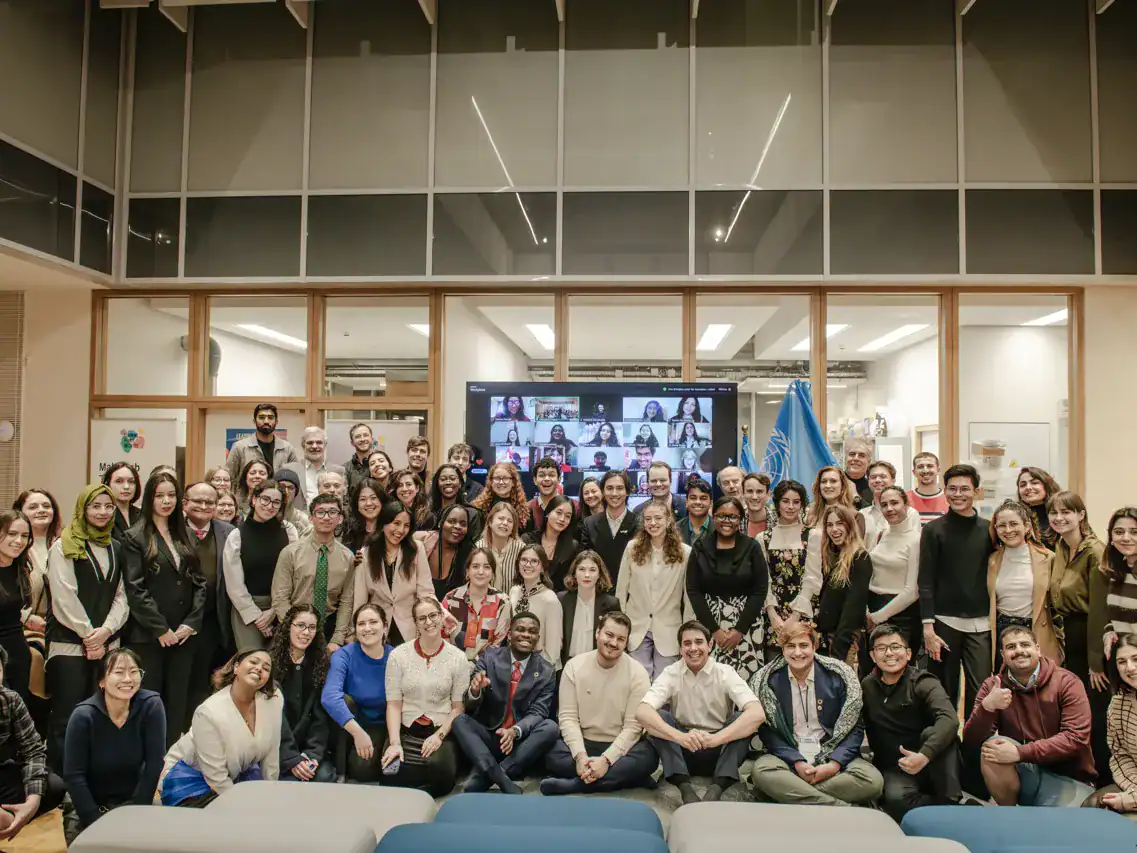
- Collaborate with like-minded Learning Transitions researchers worldwide by connecting with United Nations University (UNU) institutes and hubs , and with our international network of 500+ partners orchestrated by the Institute and UNESCO
- Prototype your research by teaching & supervising via our interdisciplinary and international cohort of Master and our PhD students, and build an extended team to boost your research topic
- Leverage LPI’s cutting-edge digital and AI platforms dedicated to education and learning in your research: Projects, Ikigai+ et WeLearn
- Translate your research into concrete policy recommendations at a global level with our tight partnerships with UNU and UNESCO
- Go beyond a scientific audience via our public events, seminars, podcasts, etc and give a broader visibility to you research project
- Access a unique and sustainable campus in the heart of Paris and explore its many resources
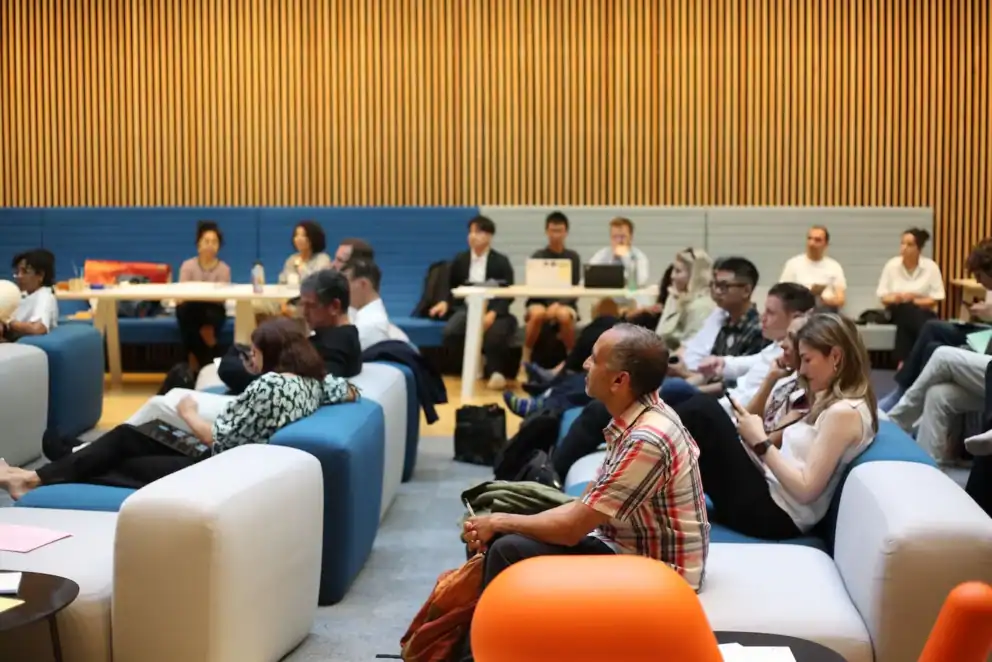
Research teams
WeLearn - Artificial intelligence (AI)
Designed and developed at the Learning Planet Institute, WeLearn is an AI-powered learning platform designed to facilitate education on the Sustainable Development Goals (SDGs).
LISA
LISA is a collaborative approach to better identify, understand and support the well-being and mental health of children at school and beyond.
Cognition & Critical thinking
This team studies the cognitive processes involved in lifelong learning and in the development of critical thinking, in line with the SDG4 of “ensuring equitable and quality education for all”
Social Computability Group
This research team works at the interface between sociology, machine learning and engineering, to better understand multidimensional polarisation in social networks.
Citizen Science
The Citizen Science team is supporting a range of projects that engage people from all walks of life in research projects. A current focus is provision of training and education about participatory and citizen science activities.
Interaction Data Lab
This team studies and models collaborative learning and problem solving, using network science and data analysis, with the aim of developing tools to foster collective intelligence for social impact.
Learning Disorders
An interdisciplinary approach to supporting children with developmental coordination disorders (DCD), combining medicine, pedagogy, cognitive psychology, human-machine interfaces, digital accessibility and intelligent systems design.
- Find out more about Research at the Institute
Our R&D ranges from research to practical applications that impact education and learning, ultimately benefiting the planet

When I was 20, I said that the only job I didn't want to do was be a researcher... We all change our minds! (...) You don't have to follow a straight path to become a researcher today

At the Learning Planet Institute, researchers are surrounded by a diverse range of stakeholders, from industry to associations and foundations, as well as a large international community. This is particularly interesting

No two people have the same background, but everyone has a lot to contribute. We discover things we never even knew existed. Everyone makes an effort to explain their work to others. The Learning Planet Institute provides a platform where everyone can exchange ideas, benefit from a more holistic view and grow, while contributing to the growth of others

My most vivid memory is of the group discussions (...). I realised how much our different educational backgrounds conditioned us to think about the world's problems (...) within a certain framework, and how much we all had to gain from sharing (...). I think that such exchanges were crucial in formulating my research questions

What I like about the Institut is that everything is more or less possible.

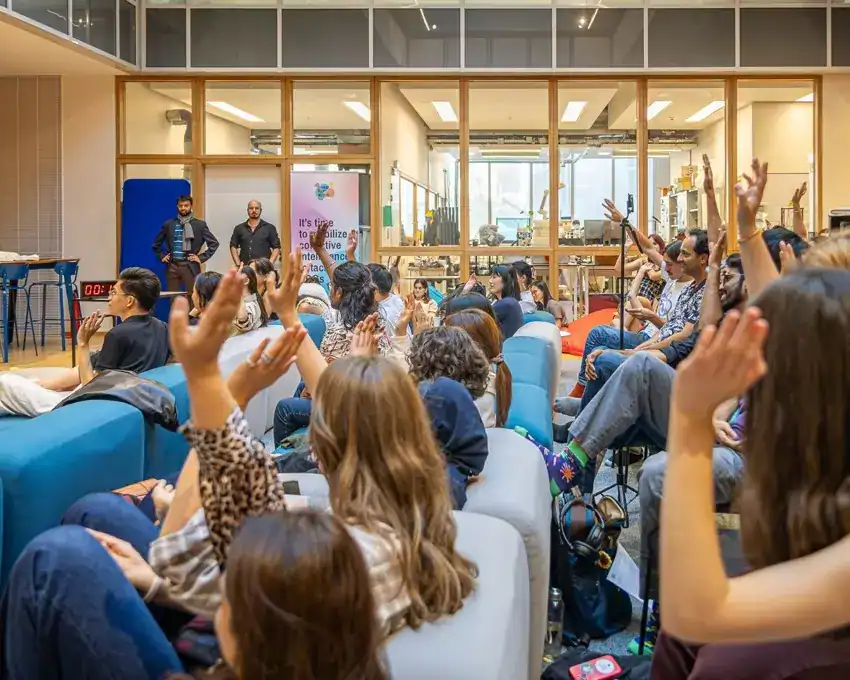
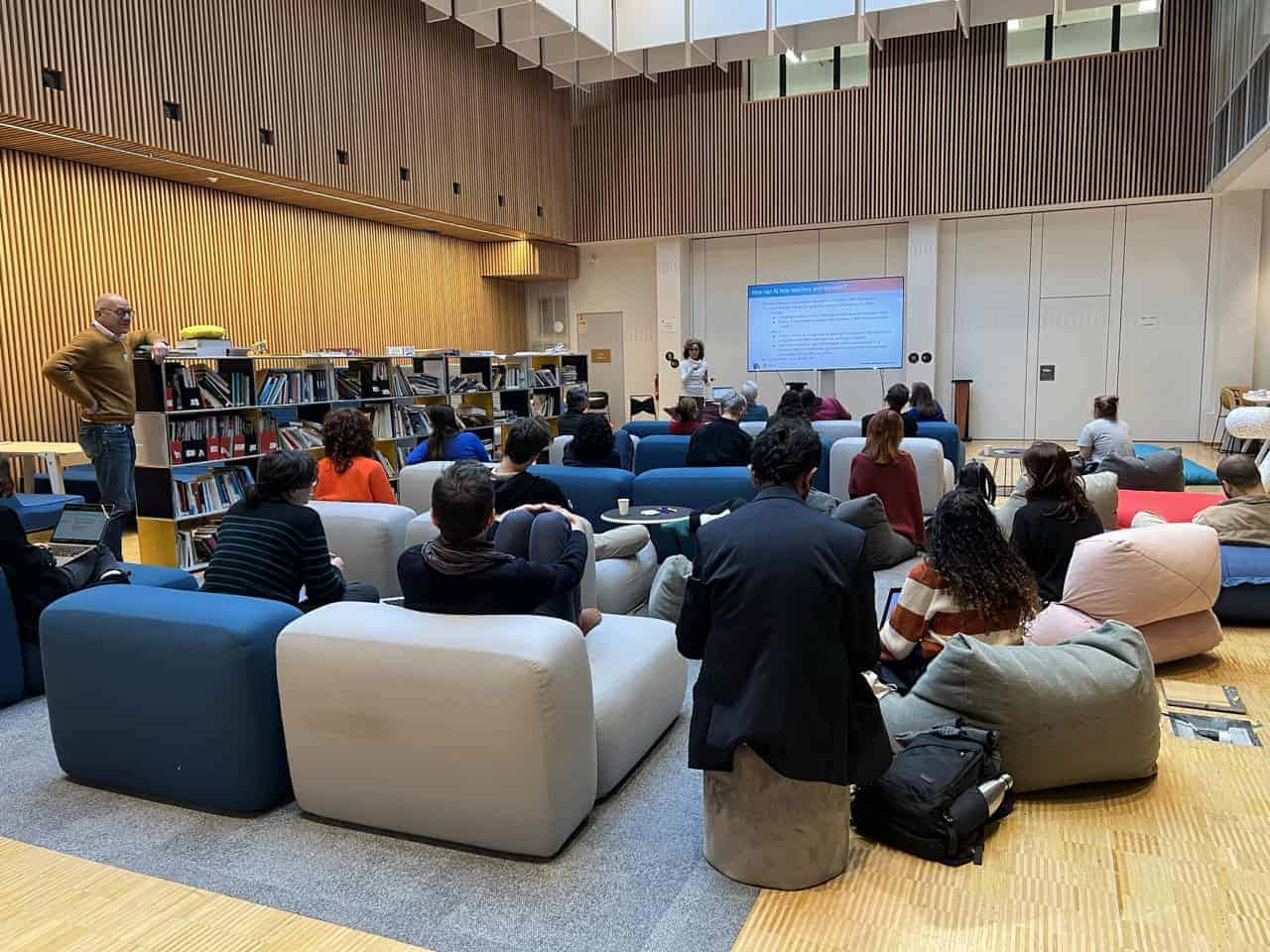
R&D Unplugged: Discussions & Podcasts
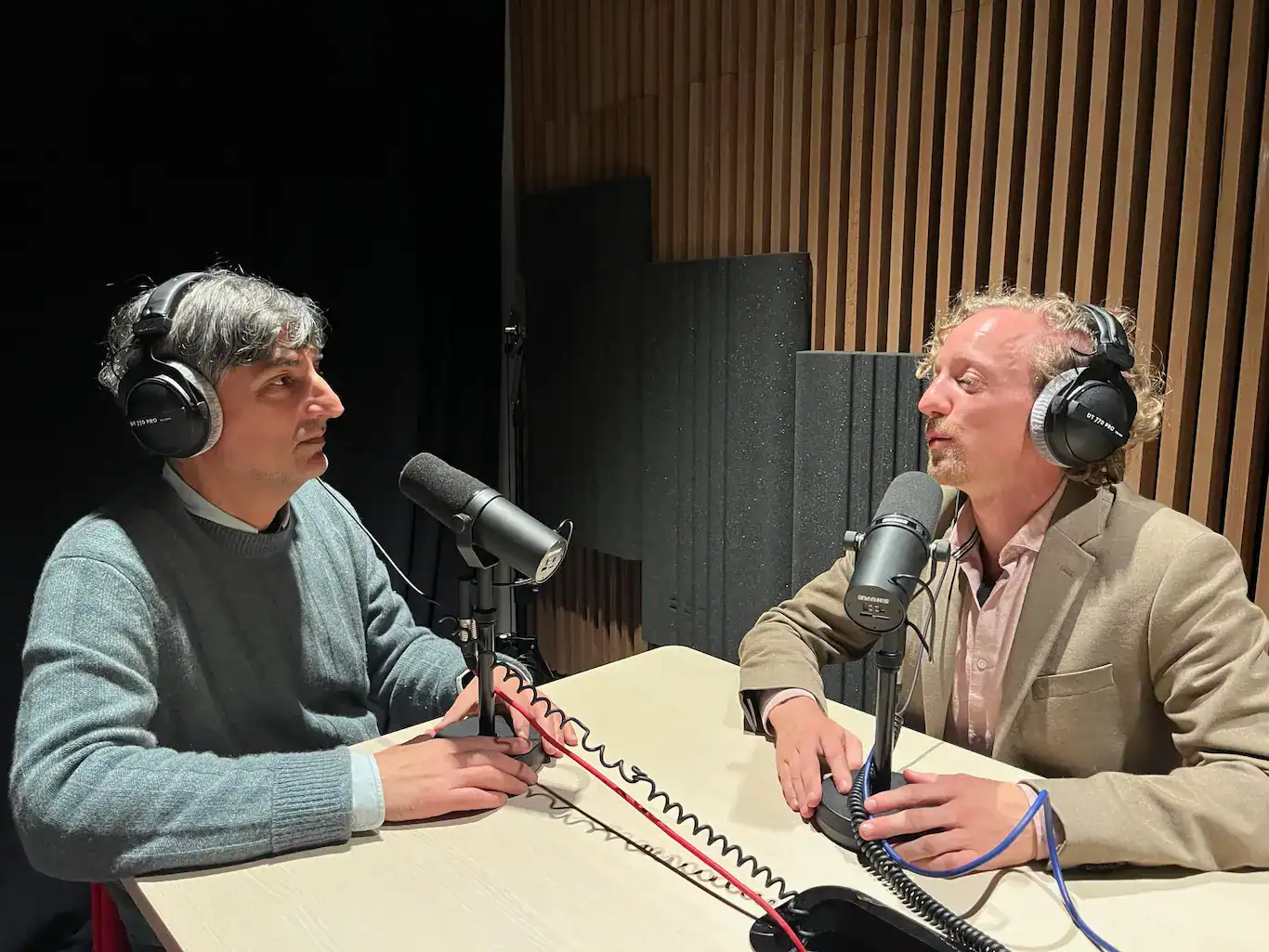
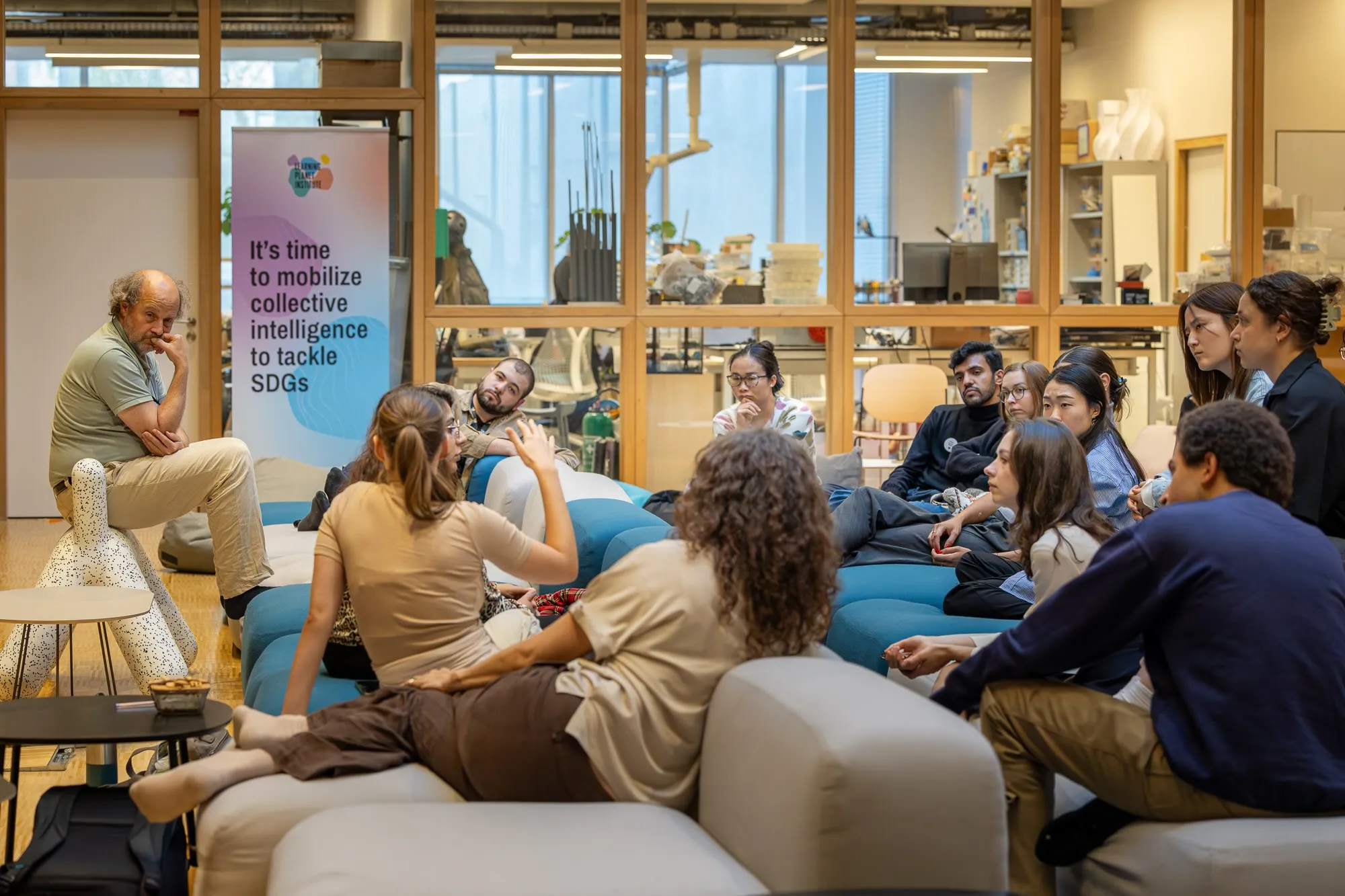
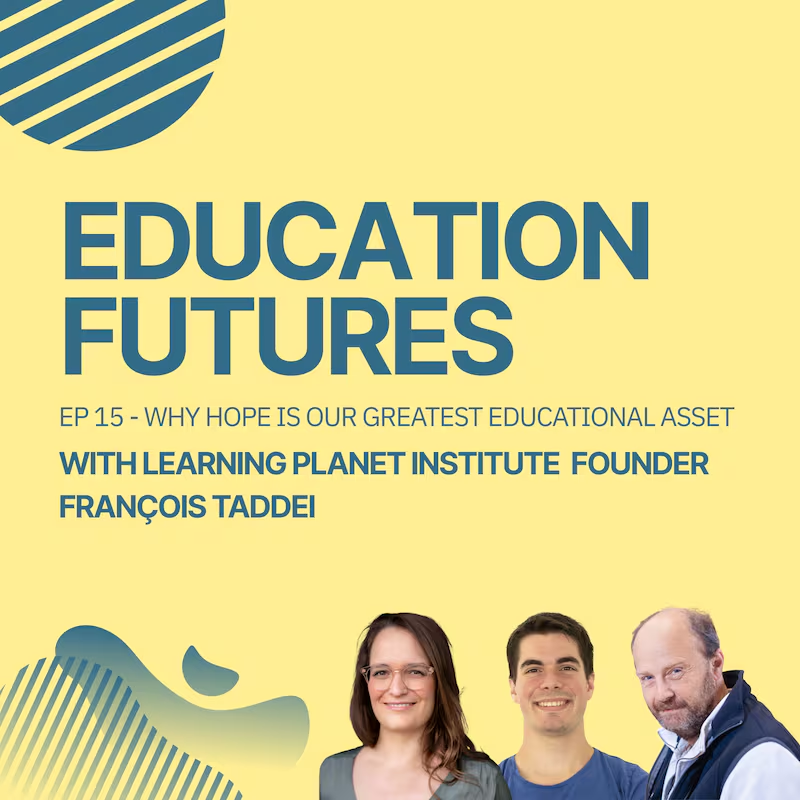
R&D Unplugged is a monthly discussion with a researcher, followed by a podcast interview.
The R&D Unplugged series is rethinking the way we communicate about Research
Our aim: to foster an inclusive, collaborative environment where participants can share, learn, and receive constructive feedback on their work.