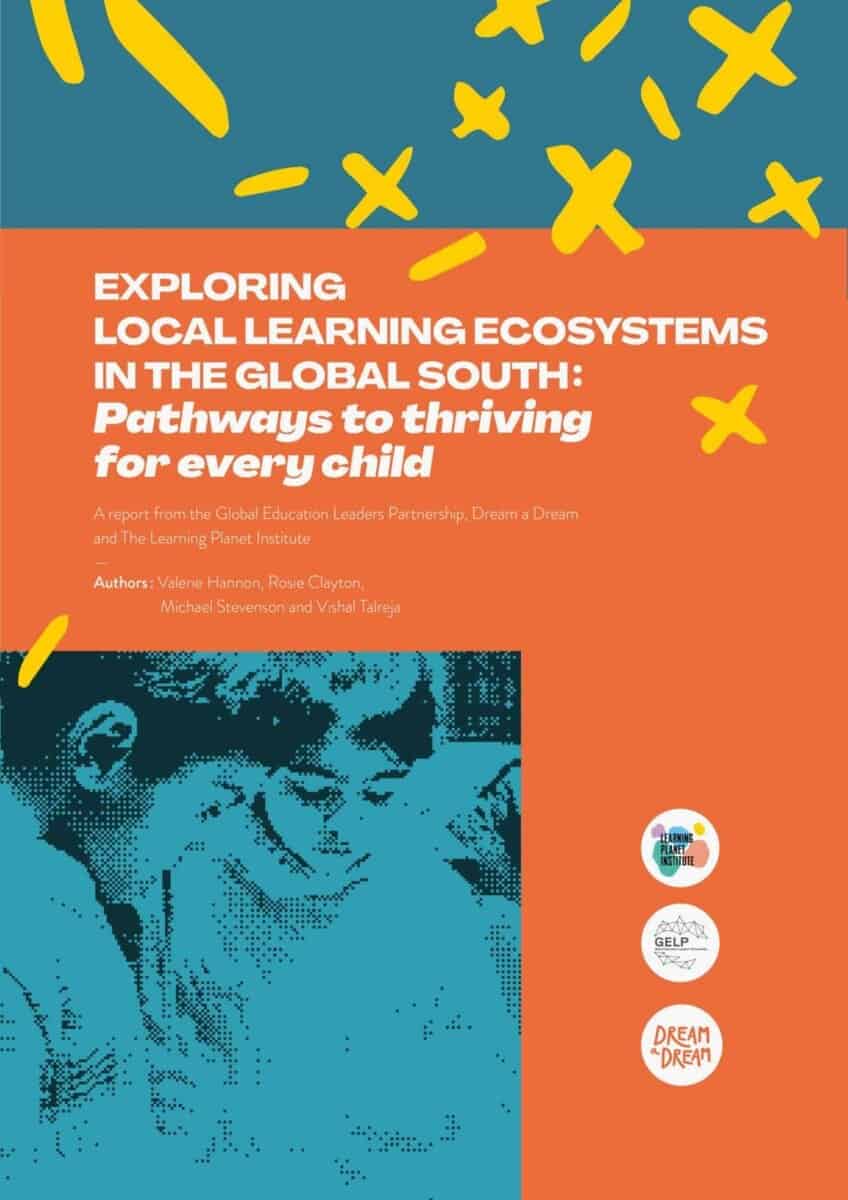
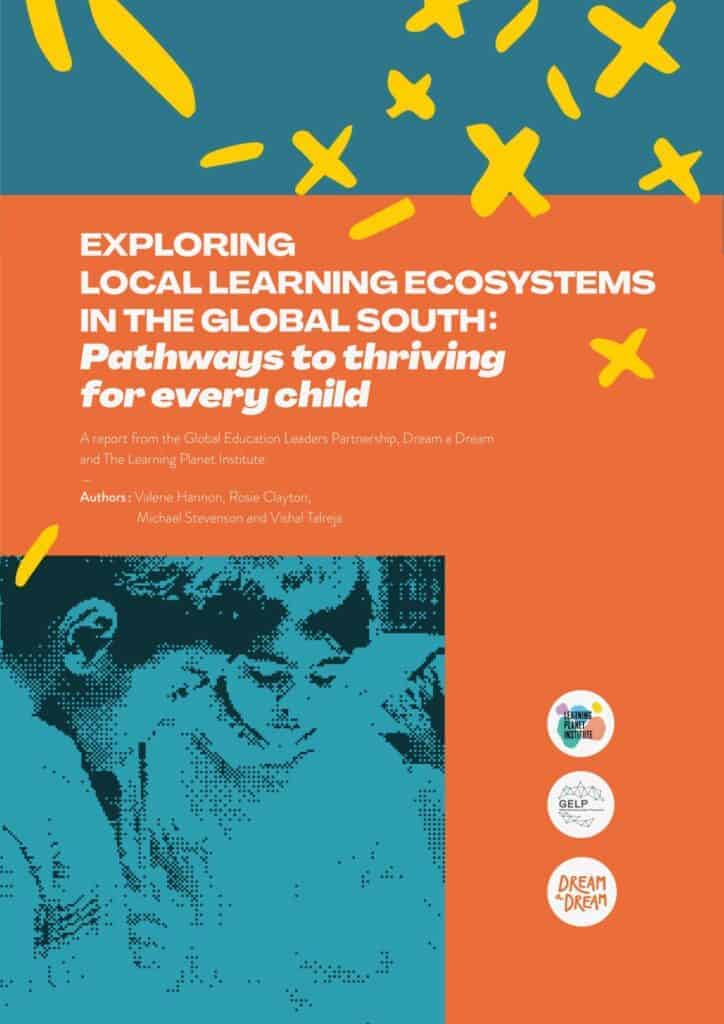
The Institute has launched a new report in partnership with the Global Education Leaders’ Partnership (GELP) and Dream a Dream, highlighting the power of local learning ecosystems, which adapt to their communities' needs and unique challenges with innovation and determination.
The “Exploring learning ecosystems in the Global South - Pathways to thriving for every child”is the culmination of a year of research, consultation and exploratory inquiry aimed at understanding the potential of learning ecosystems in the South. It explores concrete examples of individuals and organizations revolutionizing access to education and shaping the collective future of learning.
Through rigorous analysis and interviews, the report aims to give educators the confidence to adopt these models as part of policy solutions, moving beyond the realm of marginal innovations.
METHODOLOGY, DATABASE AND STRENGTHS
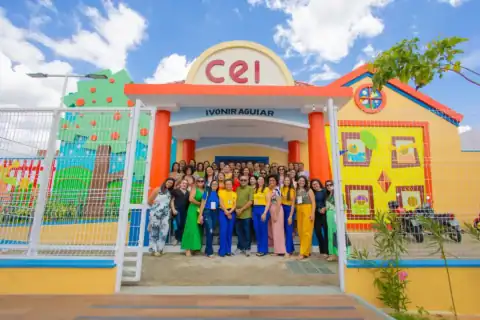
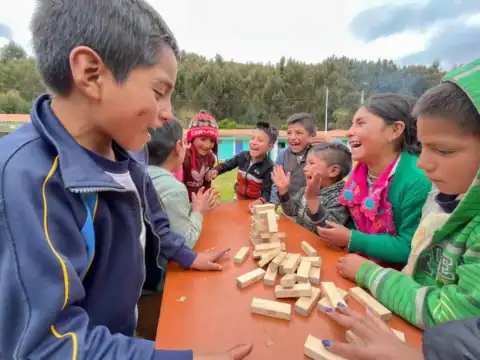
Led by a dynamic, multi-disciplinary team, the journey began with an in-depth analysis of over 100 educational initiatives in Latin America, Africa and Asia. These initiatives were carefully selected for their ecosystem characteristics, paving the way for in-depth research and exploration over the past 18 months. This process enabled the team to identify 11 innovative initiatives in 9 countries that illustrate the transformative power of learning ecosystems.
4 key points inspired by the models and strategies presented in the report are highlighted:
- Thriving as a goal: we need to think beyond the challenges of the formal system. Focusing on human flourishing requires a new paradigm, with a different perspective on who is involved, what is taught and learned, and how it is approached.
- Building trust: Trust and relationships are essential cornerstones of effective learning, through strong links between students, teachers, families and communities.
- Forming alliances and coalitions: We need to emphasize shared responsibility and collective leadership. These actions enable stakeholders to shape education, ensuring ownership and accountability, which in turn leads to significant results for children's development.
- Establish new metrics and uses for data: Players in the learning ecosystem need data to understand their impact and see how they can change their practices to adapt to an ever-changing landscape.

THE PATH TO FULFILLMENT FOR EVERY CHILD
The Learning Ecosystems in the Global South program led by the Learning Planet Institute's LearningPlanet Alliance is committed to creating a future where learning ecosystems thrive and drive the transformation of education on a global scale.
The global South represents 85 % of the planet, leaving our collective future in the hands of young people in Africa, Asia and Latin America.
The greatest hope for systems on these continents is not to imitate what has been done in the North, but to exploit new technologies, new ways of thinking and new forms of organization to overcome the shortcomings of current education systems. This is a unique opportunity to diversify who and where learning takes place, and to intelligently harness the potential of technology and data. This is the territory of ecosystems.
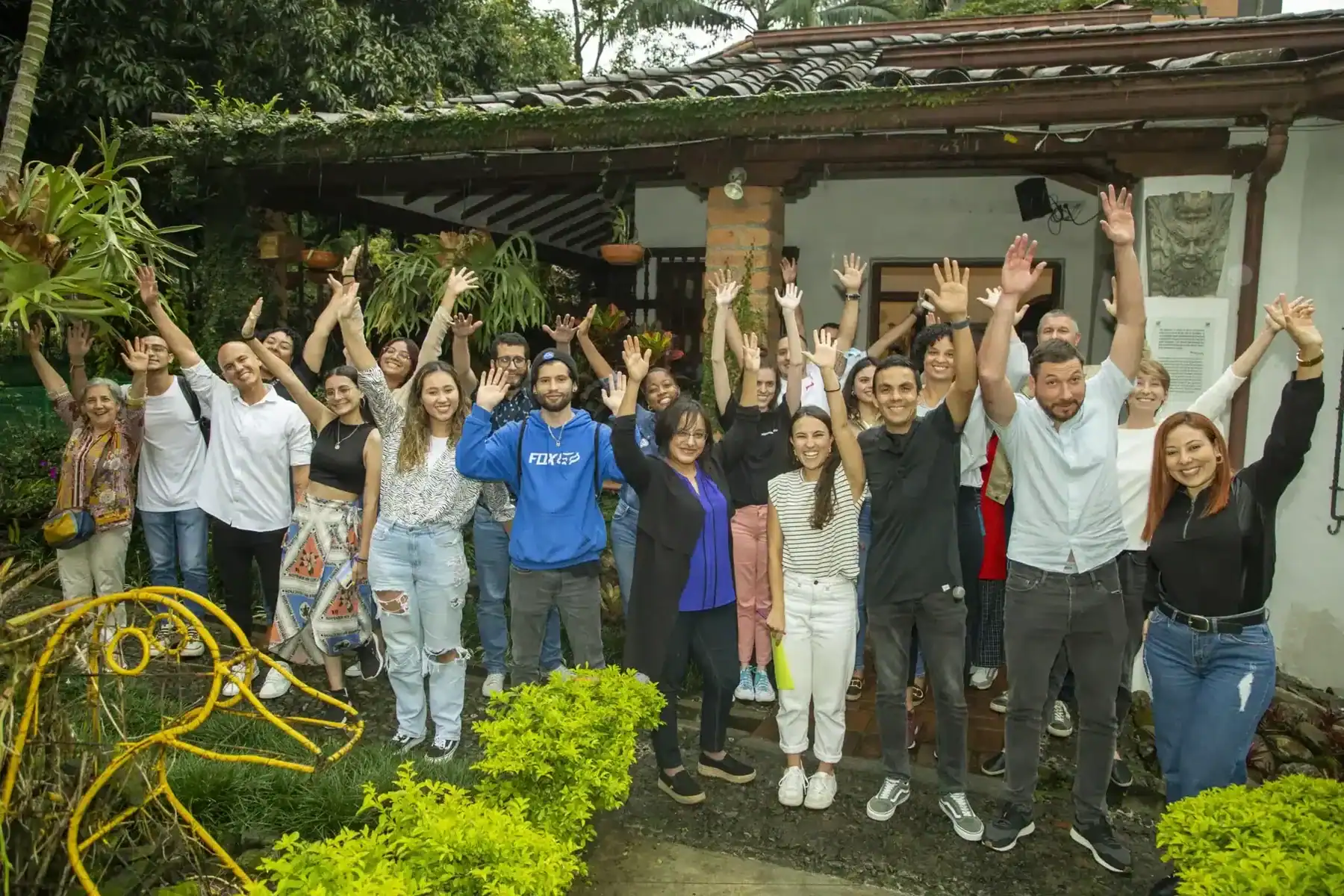
Report partners :
- The Global Education Leaders Program (GELP) is an informal partnership of education leaders, co-chaired by Michael Stevensen and Valerie Hannon.
- Dream a Dream is an Indian non-profit organization dedicated to transforming the education experience for the more than 260 million children who attend school in India.
Find out more about the Learning Ecosystems in the South program:
https://www.learning-planet.org/circle/learning-ecosystems
Read the full report:
https:// drive.google.com/file/d/1PmRUCQ5JcQ-6KVYBkipN0uNDXfe3GIV4/view
This publication is part of the UNESCO Chair in Learning Sciences, established between UNESCO and Université Paris Cité, in partnership with the Learning Planet Institute. The ideas and opinions expressed in this publication are those of the authors. They do not necessarily represent the views of UNESCO and do not commit the Organization.